Pencil in the mouth, string in the hand: chewing and fidgeting

2 November 2026
Chewing and fidgeting at the same time: why autistic children and adults often need both, and how chews and Tangles can share the job.

In short

  • Chewing and fidgeting often go together. When one is stopped, the other usually gets busier.
  • Some chews double as hand fidgets. A Brick Stick or a Tetra Bite can go from mouth to fingers and back again.
  • When the hands want their own thing, add a Tangle. Tangles are for hands only, never for mouths.

It’s half past four on a wet Tuesday. The kitchen light is on and the spelling sheet is on the table. Your daughter has the end of her pencil between her teeth. You can hear it, a small dry crunch every few seconds.

Her other hand is busy too. The string of her hoodie is wound around one finger, tighter and tighter, until the tip goes white. Then it unwinds, and it starts again.

You take the pencil out of her mouth so she can write. Within a minute her thumbnail is there instead. You gently move the string away. Her knee starts to bounce under the table.

If that sounds like your kitchen, this one is for you. It’s about children and adults whose hands and mouth both need something to do. And it’s about giving both a better place to go.

Chewing and fidgeting often come as a pair

For many autistic people, chewing and fidgeting do a similar job. Something firm between the teeth. Something to turn and press between the fingers. Both are steady and repetitive. Both are always there when the room gets loud or the task gets hard.

That’s why they so often show up together. It’s also why taking one away rarely ends well. Stop the chewing, and the fingers get busier. Stop the fidgeting, and something ends up in the mouth. The need hasn’t gone. It has just moved.

So instead of asking which habit to stop, ask a different question. What does the mouth need right now, and what do the hands need?

One object can do both jobs

Some chews are made to be held as well as bitten. ARK describes the Brick Stick and the Krypto Bite as an oral fidget, or even a hand fidget. That is more useful than it sounds.

The Brick Stick is a little over six centimetres long, with big bumps on one side and small bumps on the other. In the mouth, it reaches the back teeth. In the hand, those bumps are something to roll under a thumb.

The Krypto Bite is slimmer. It is shaped like a gemstone, about seven and a half centimetres long and just over one centimetre thick. It sits easily between the fingers.

The Tetra Bite goes a step further. It has four arms, each with its own texture: round bumps, zigzags, ribs and lines. Put a finger through the hole in the middle and spin it with your other hand. Or hold it by two arms and twist. When the spinning stops, any arm can go into the mouth.

The ARK Rainbow is made to be twisted and bent, with a different texture on each side. It is only about half a centimetre thick, which suits people who like to chew on something thin. ARK is honest about the limit. Because it is so thin, it won’t last long with moderate or heavy chewing, even in the firmest level.

Sometimes the hands want their own thing

Not everyone can do both with one object. Some children chew and fidget at the same time. The chew is in the mouth, and the hands are empty again. That’s when a separate hand fidget helps.

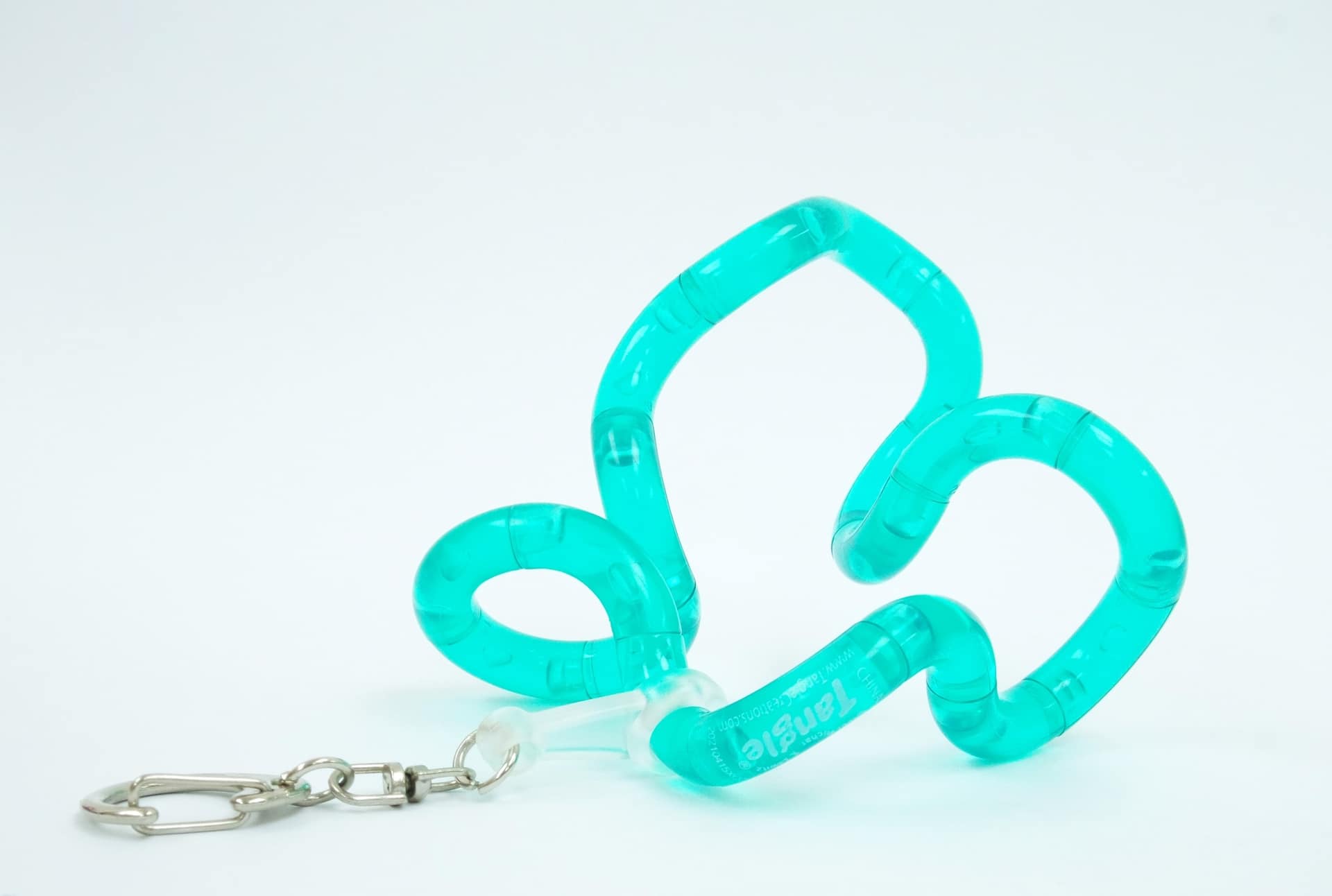
A Tangle is a chain of curved pieces that you can twist and turn in any direction. The movement keeps going for as long as you want it to.

The Tangle Fuzzie is the softest Tangle there is. The pieces have a light velour layer, so it feels velvety, almost like one soft whole. It suits children who calm down through touch. It is small and quiet, too.

The Tangle Therapy Relax is the smaller version of the Tangle Therapy. It has a soft rubber layer covered in little nubs. There is plenty for the fingertips to find.

One firm rule. Tangles are for hands, never for mouths. They are made of separate pieces and carry a choking warning. If your child tends to bring everything to their mouth, hand over the chew first and the Tangle second. The Tangle Fuzzie is suitable from three years.

Choose by what you see

Watch for a day before you buy anything. Where do the teeth go? What do the hands do?

A child who chews with the back teeth and picks at things now and then may do well with a Brick Stick alone. A child who chews and spins at once may want a Tetra Bite. A child who chews the necklace cord and then fiddles with the clasp might like ARK’s Brick bracelet. It twists on and off the wrist, and it can be bent, twisted and rubbed along its bumps.

Every ARK chew comes in three hardness levels. Standard is the softest. Medium is firmer. Strong is the firmest and lasts the longest. Start from the chewing you see today.

Chew products can’t be returned, for hygiene reasons. So the day of watching is worth it.

Making room for both

Keep the two together. A chew around the neck and a Tangle in the pencil case means one reach finds both.

Swap without words. When the pencil goes into the mouth, hand over the chew. When the hoodie string comes out, slide the Tangle across the table. The less it is talked about, the more it gets used.

Let hands and mouth take turns. Some days it will be all chewing. Some days the Tangle never leaves the hand. Both are fine.

Look at the chew every few days and replace it at the first sign of wear. The makers ask for adult supervision, whatever the age. The Tetra Bite can go in the top rack of the dishwasher, without the drying cycle.

In the classroom, and at the desk

Tell the teacher what each object is for. The chew replaces the pencil and the sleeve. The Tangle replaces the bent ruler and the shredded eraser. A small, quiet Tangle doesn’t disturb the rest of the class.

Adults do this too. A black Krypto Bite looks like an ordinary pendant. A Tangle Therapy Relax turning under the desk in a long meeting goes unnoticed.

Reading this for yourself? Try a day with both, and see which one you reach for first.

Back at the kitchen table

Same table, a few weeks later. Rain again. The same spelling sheet, or one very like it.

There is a green Brick Stick between her teeth, and the pencil is free to write. Her left hand is turning a Fuzzie, over and over, the way it used to wind the hoodie string. Her thumbnail stays out of her mouth.

She is still chewing, and she is still fidgeting. Nothing has been taken away. Both just have somewhere better to go.

Where to look

The chews are in our Chewing and biting category and the Tangles are in Fidgeting.
  • Mouth and hands in one: ARK’s Brick Stick, a little over six centimetres long, with big bumps on one side and small bumps on the other.
  • Slim and discreet: ARK’s Krypto Bite, a gemstone-shaped pendant about seven and a half centimetres long, in all three hardness levels.
  • To spin and to chew: ARK’s Tetra Bite, four textured arms, each about five centimetres long.
  • For thin chewing and bending: ARK’s Rainbow, about half a centimetre thick, best for lighter chewers.
  • On the wrist: ARK’s Brick bracelet, twist-on, with bumps for the fingers as well as the teeth.
  • The softest Tangle: Tangle Fuzzie, with a velvety velour finish, from three years.
  • Nubs for the fingertips: Tangle Therapy Relax, the smaller Tangle Therapy, with a soft rubber layer.

Lees ook eens

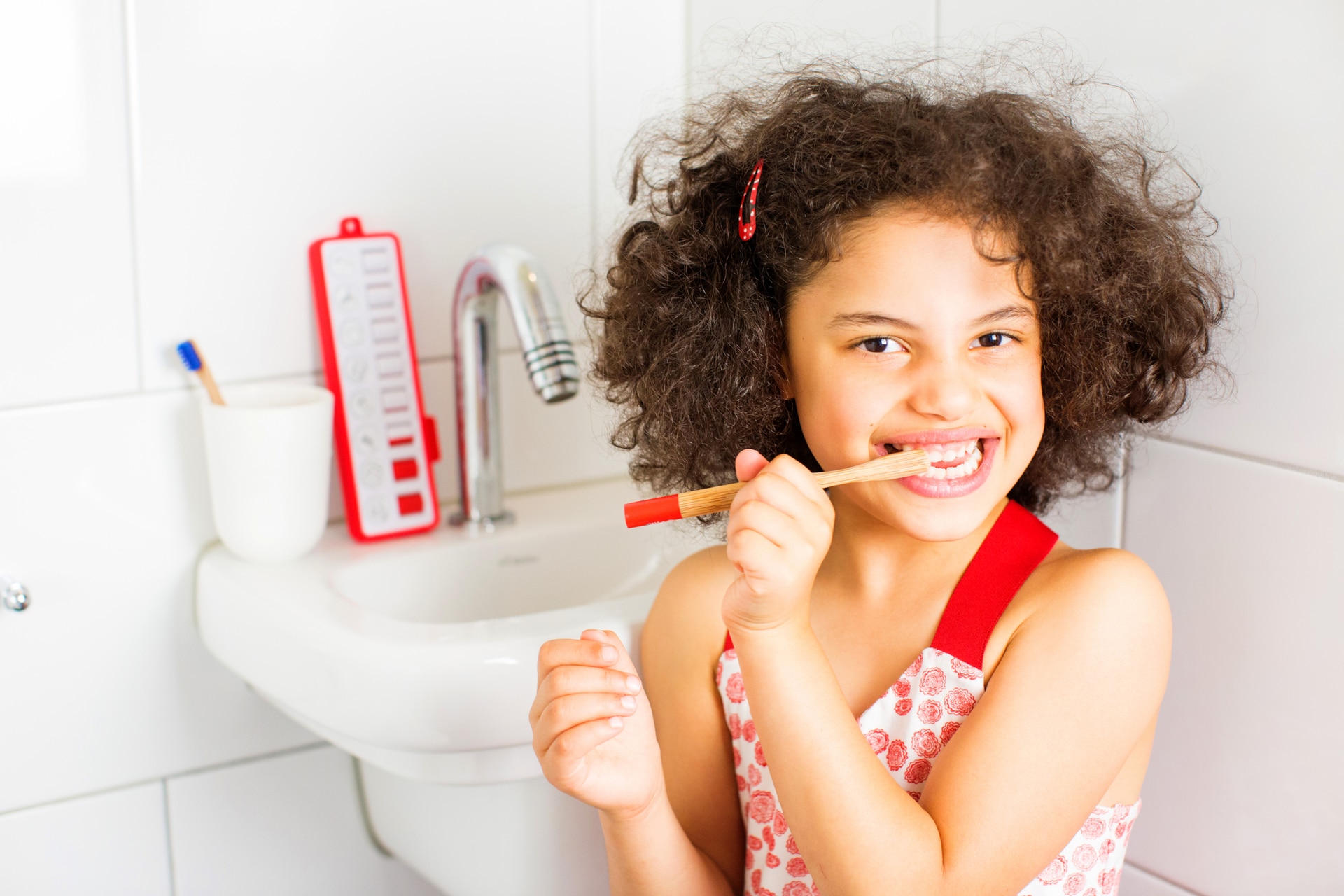
Checkpad tanden poetsen
The fourth time you ask: small steps to independence
Small steps to independence for autistic children and adults: visual planners, routines you can see, and how to hand over a little at a time.
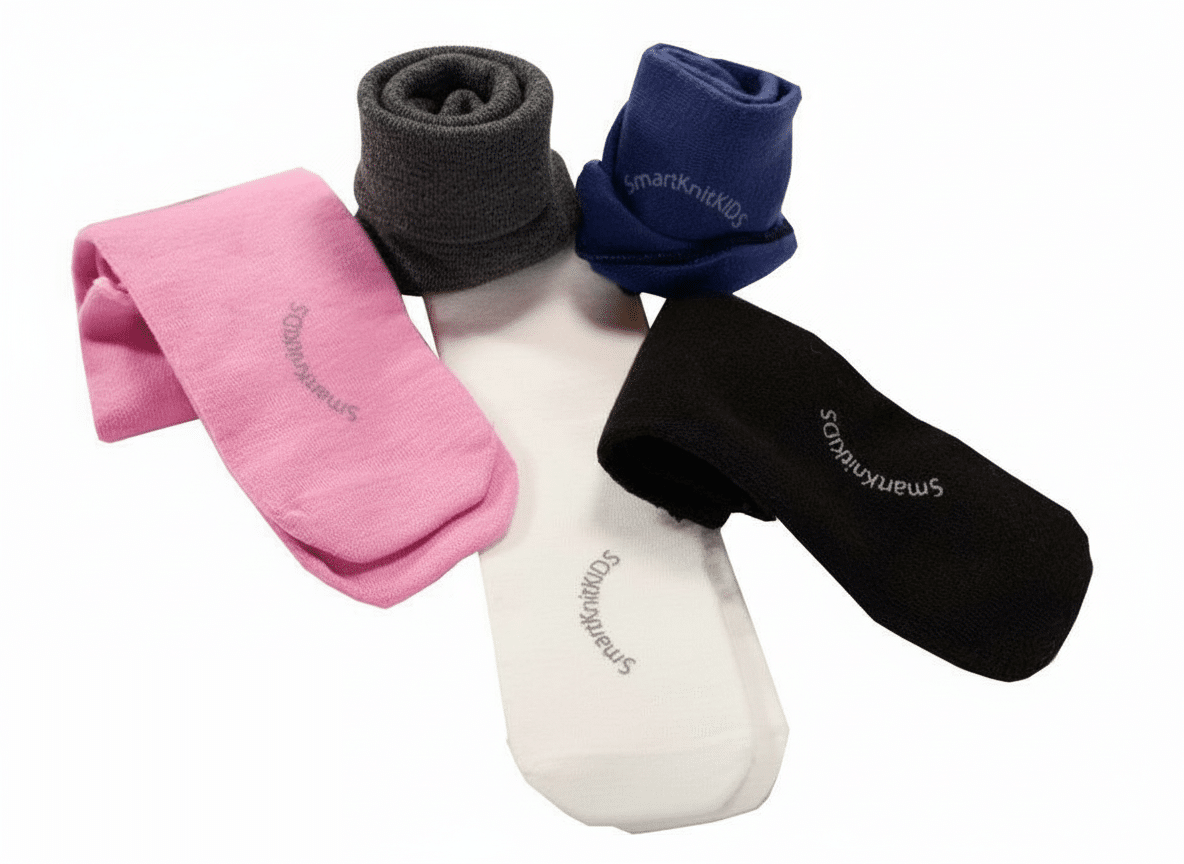
sokken in de kleuren roze, wit, zwart, blauw en grijs
The waistband that itches: seamless underwear for sensitive skin
Seamless underwear and socks for autistic children and adults with sensitive skin: why seams and labels bother, what to look for and how to start.
Weekpeek
Coat on the floor: talking about feelings when words won’t come
Talking about feelings with an autistic child after a hard day: why words don't come, and how hands, pictures and quiet time can help.
ARK's ring kauwsieraad
The pencil with no end: Brick Stick or Krypto Bite as a first chew
Brick Stick or Krypto Bite? How to choose a first chew necklace for an autistic child or adult, which hardness to pick, and how to get it used.
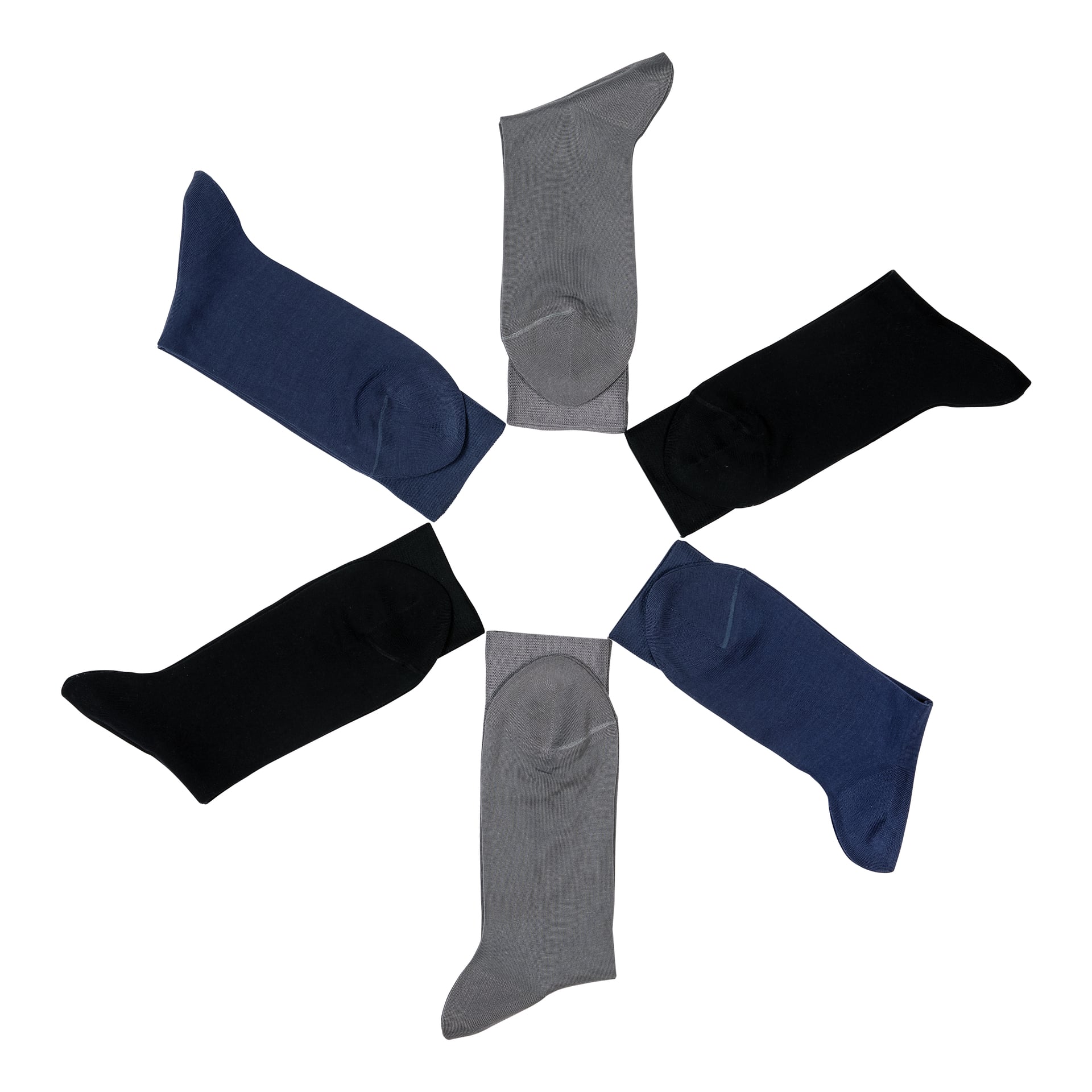
Autishop naadloze sokken voor heren 41-46
The morning sock battle: seamless socks for autistic children
Seamless socks for autistic children and adults: why seams can ruin a morning, how to choose between cotton and heel-free socks, and how to get them on.
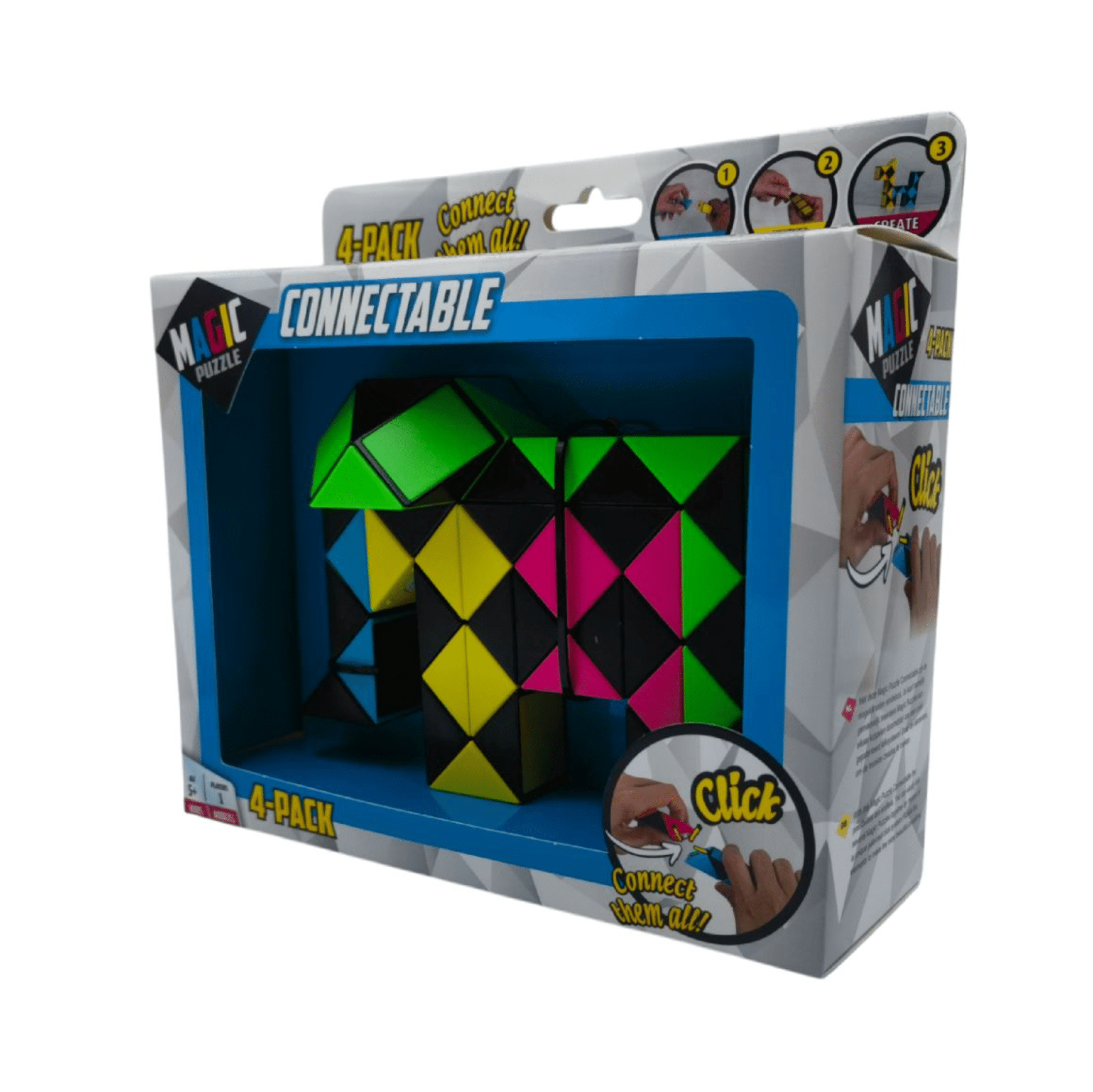
Magic Puzzle Connectable 4-Pack
The beeping robot: sensory gift ideas that actually get used
Sensory gift ideas for autistic children and adults: quiet fidgets and puzzles for birthdays and holidays, and how to give a present that gets used.
2016380295.jpg
Lights out, hands still busy: quiet fidgets for bedtime
Quiet bedtime fidgets for autistic children and adults: soft, glowing and calm Tangles and puzzles, and how to make them part of winding down.
Tangle Classics Sleutelhanger
The waiting room, the queue, the bus stop: a fidget in every pocket
Pocket fidgets for autistic children and adults: why waiting is so hard, which fidget suits which moment, and how to keep one always in reach.
2014900599.jpg
The unicorn in the pencil case: choosing a fidget that fits the age
Fidget toys for autistic children, teens and adults: how to choose a Tangle that fits the age, the hands and the moment, from age three to the office.
Time Timer TWIST verpakking
The ticking clock: tools that help autistic children in the classroom
Classroom tools for autistic children: visual timers, seat cushions, ear defenders and picture cards that help at the desk. Practical tips.
Sensory Feet
The chair on two legs: sensory seeking and children who need more
Sensory seeking in autistic children and adults: what it looks like, which sense is asking, and simple ways to give more input at home and school.
Autisme in Kaart
The flipped board: games that teach without lecturing
Learning games for autistic children and adults: co-operative board games and card games that teach feelings and teamwork without a lecture.
2016380295.jpg
Twenty minutes in the waiting room: fidget puzzles for restless hands
Fidget puzzles for autistic children and adults: folding puzzles, rainbow balls and 3D twist puzzles that keep restless hands busy, and how to choose one.
Autishop naadloze sokken voor heren 41-46
The wrong sock: seamless socks and clothing for sensitive skin
Seamless socks for autistic children and adults with sensitive skin: why seams and labels matter, how to choose the right pair, and calmer mornings.
2014900599.jpg
Five on the table: which Tangle is which, and who it suits
Tangle fidget guide: Gems, Marble, Pets, Therapy Relax or Glow in the dark. Which feel suits which hands, and which moment of the day.
1459116701.jpg
The soggy sleeve: chew jewellery for children who chew everything
Chew jewellery for autistic children and adults: why some people chew everything, how to choose the right hardness, and how to get it used.
Green ear defenders on a kitchen table next to a school backpack
The hand dryer problem: when ear defenders help, and when they don’t
Ear defenders for autistic children and adults: what they do, which level to choose and how to get them worn. Practical advice from Autishop.
2016559935.jpg
The tipping chair: wobble cushions for children who can’t sit still
Wobble cushions for autistic children and adults: why sitting still is hard work, which cushion to choose and how to make it work in the classroom.
Het Grote Kijkboek voorkant
Four hours, twelve minutes: travelling with an autistic child
Travelling with an autistic child: how to prepare the car journey, the airport and the holiday house, with practical tips from Autishop.
Checkpad tanden poetsen
Is it swimming today? Visual schedules and planning the day
Visual schedules for autistic children and adults: why seeing the day helps, how to build one with pictograms, and how to keep it going.
NordicHug Weighted Hoodie
Under the sofa cushions: deep pressure and why weight can calm
Deep pressure for autistic children and adults: why firm pressure and weight can feel calming, how to choose a hoodie or vest, and how to start.
Comfort and sensory support in one piece of clothing
koekie mytimingcards
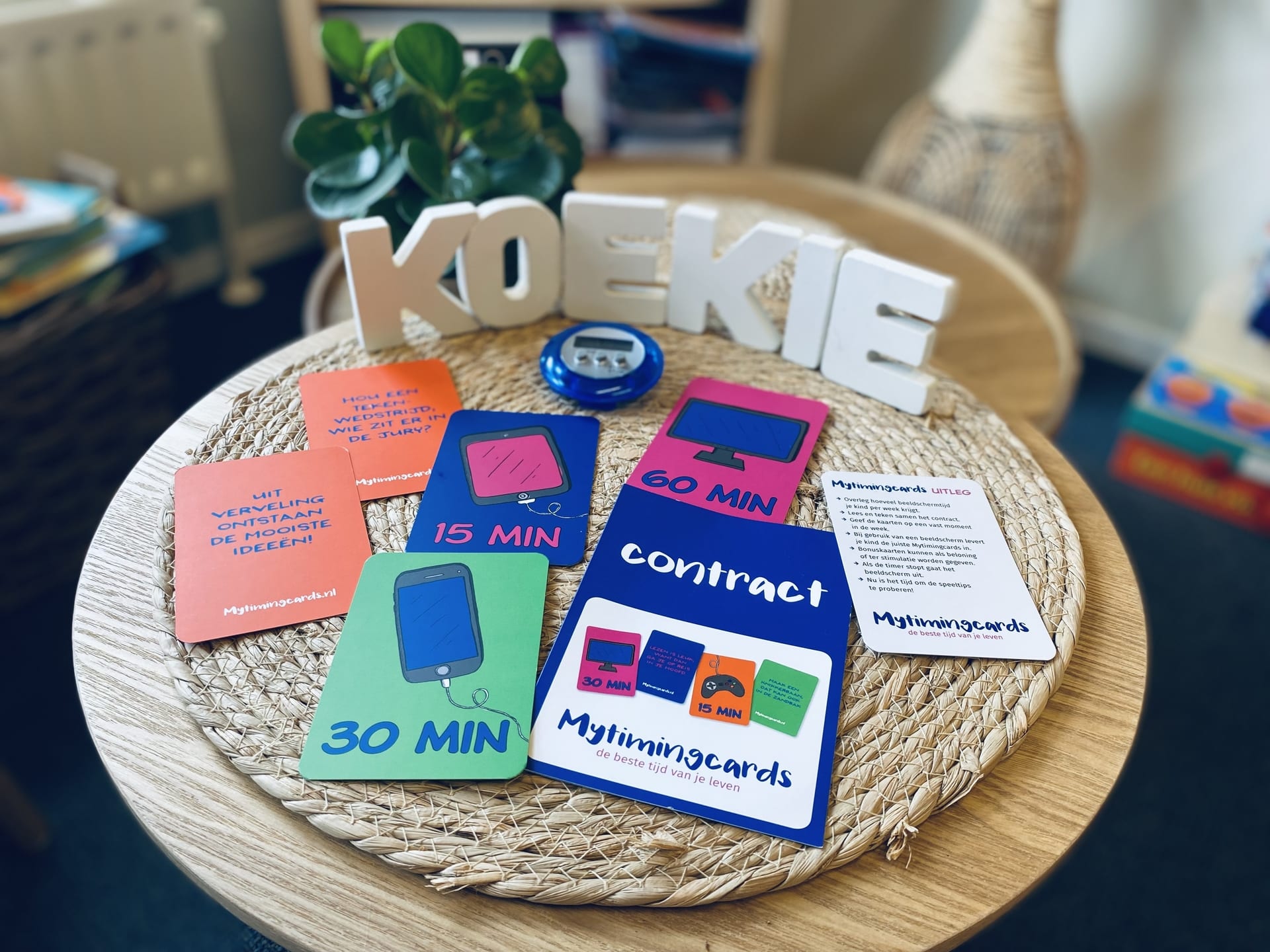
Mytimingcards – prevent discussions about screen time!
My name is Jonneke Koekhoven and I have been working with children and young people with autism for 17 years. Through my company KOEKIE (www.symptomen-autisme.nl) I offer individual guidance and provide online advice and courses to parents and professionals. I always find new products that can support children with autism very interesting and I like to try them out during my guidance. In this blog I will give my opinion and tips about the ‘Mytimingcards’!
Wat ga jij doen vandaag?
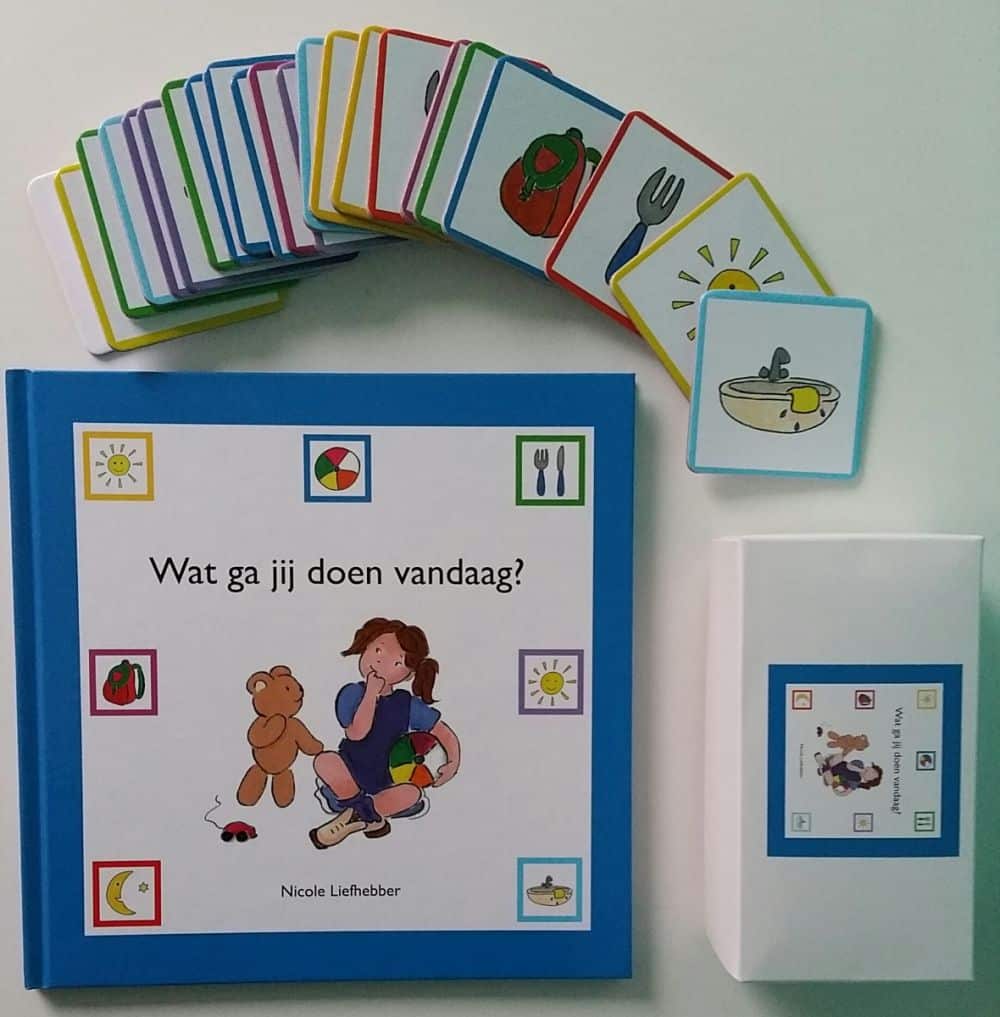
What are you doing today? A book and card game for young children
A guest review by Jonneke Koekhoven of What are you doing today? A rhyming book with daily routine cards and a memory game for children aged two to six.
That's how I see myself! autism
Card games for and about autism: what they are and when to use them
Guest blog by Jonneke Koekhoven: three card games for autistic children, about resilience, emotions and self-image, and when to use them.
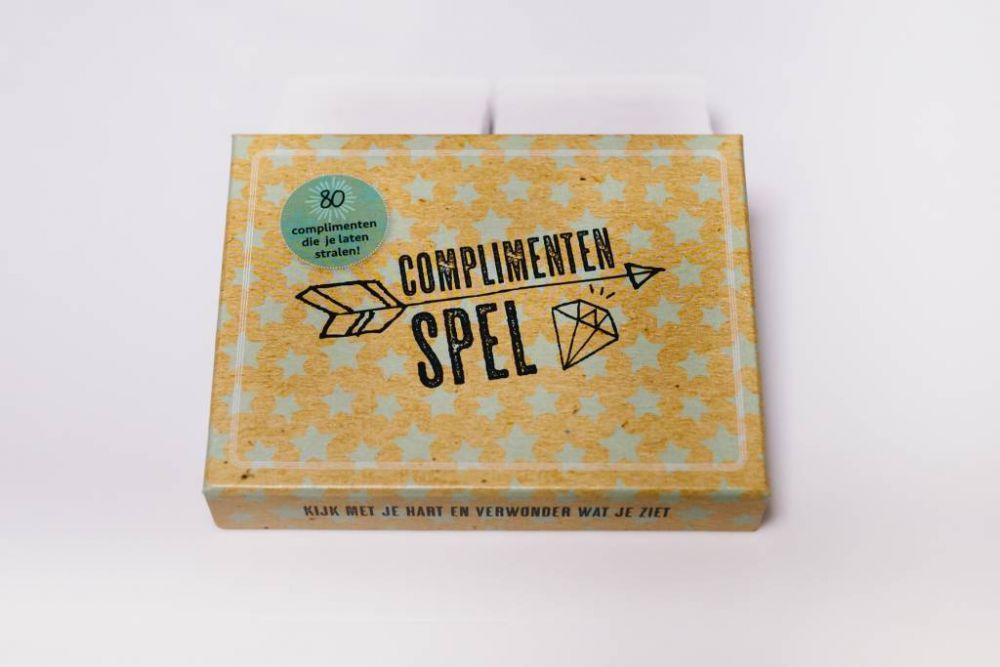
Compliment game
Compliment Game Autism: a cheerful, positive game children grow from
Guest blog by Jonneke Koekhoven of KOEKIE on the Compliment Game Autism: what is in the box, why it suits children with autism, and tips for using it.

Openingstijden feestdagen

Nieuwjaarsdag
Gesloten
Goede Vrijdag
Gesloten
1e paasdag
Gesloten
2e Paasdag
Gesloten
Koningsdag
Gesloten
Bevrijdingsdag
Gesloten
Hemelvaartsdag
Gesloten
1e pinksterdag
Gesloten
2e pinksterdag
Gesloten
1e kerstdag
Gesloten
2e kerstdag
Gesloten