Shop Activities To play
People with autism experience play in an individual and diverse manner. Sensory sensitivities can influence their preferences for certain activities, while structure and routine can shape the play experience. Some have deep interests and focus intensely on specific games, while others may encounter social challenges during group activities.
It is important to show understanding for this variability and to create an inclusive environment that takes into account the unique needs of each individual, making play an enjoyable and stimulating experience.
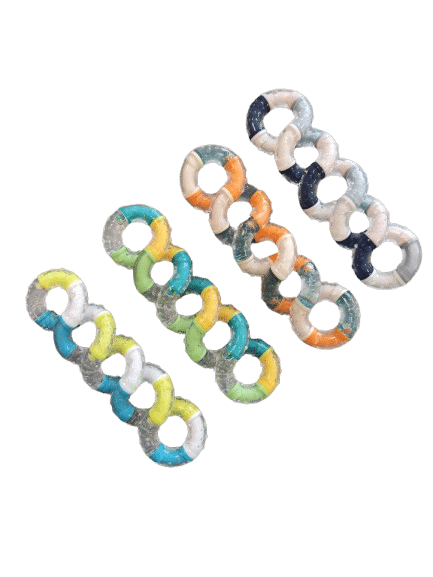
Absolutely. Studies show that movement supports cognitive development, and Tangles help activate both sides of the brain. They can improve focus, creativity, fine-motor skills, and are often used for sensory play, ADHD, anxiety, and occupational therapy.
What playing means to someone with autism differs from person to person. Both children and adults with autism play in their own way, with their own interests, preferences, and limitations. While one person may find relaxation in a quiet game with repetition and structure, another may enjoy playing together, moving around, or discovering feelings and social situations. That is why it is important that play is offered flexibly, tailored to the individual, the moment, and the environment.
For people with autism, playing can be more than just relaxation. It provides an opportunity to practice communication, emotions, cooperation, and decision-making. At the same time, playing can also help to release tension or process stimuli. By using clear game formats, predictable rules, and appropriate materials, playing becomes more accessible and enjoyable.
The products on this page offer support for various forms of play, such as:
In addition to play, there are many other moments when children and adults with autism may require support, depending on their needs at that particular time. For example: