Shop Activities Coach
During guidance, individuals with autism experience the power of understanding and structured support. Individual needs vary widely, but generally, they thrive with clear communication, predictability, and respect for their unique way of thinking.
Building trust is essential when coaching children, young people, and adults with autism. At the same time, flexibility and adaptability contribute to effective coaching. Giving clear instructions, creating a structured environment, and recognizing sensitivity to stimuli are crucial elements of supportive coaching, enabling people with autism to reach their full potential.
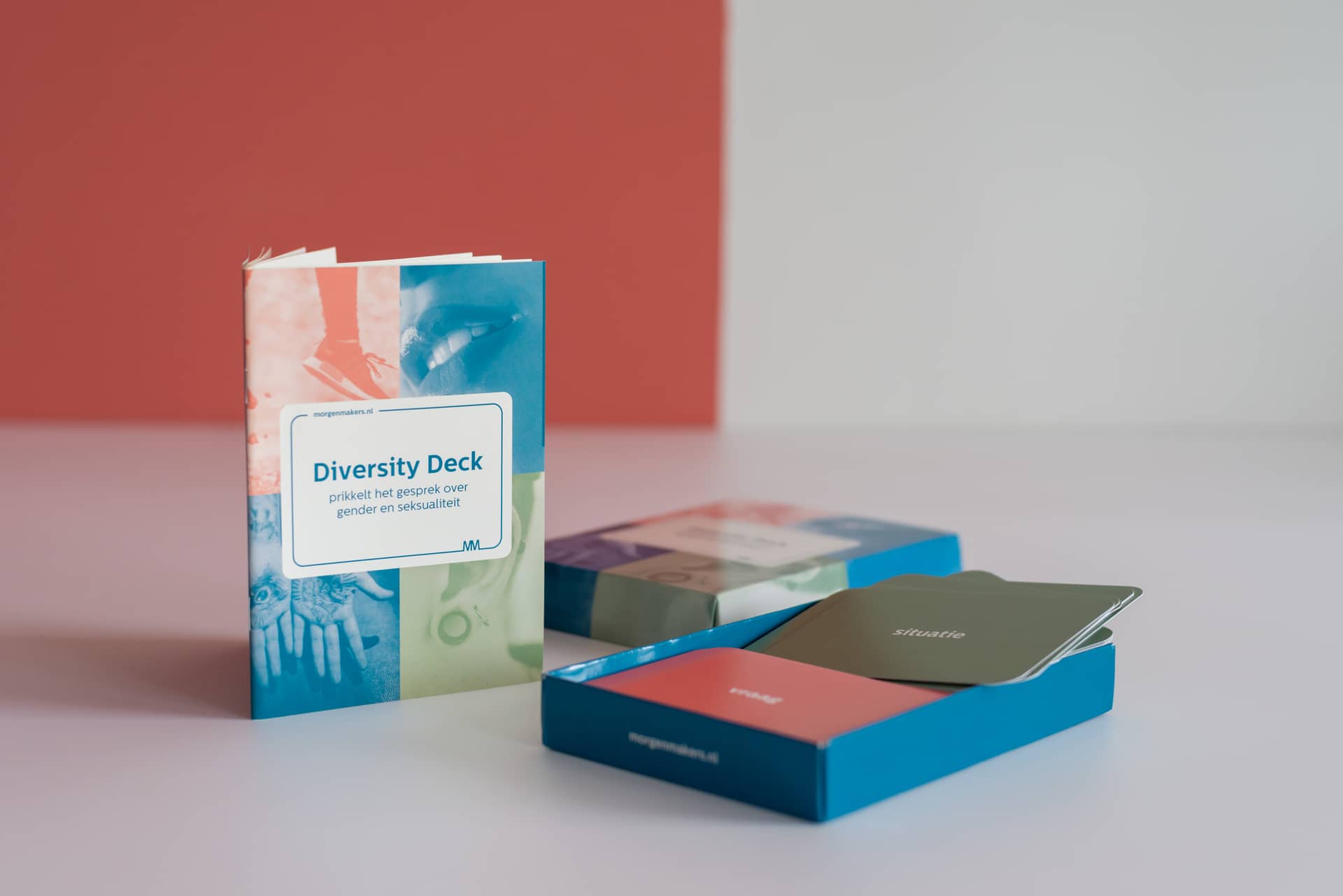
Everyone with autism is different. While some are open about their emotions, others need visual stimuli or concrete questions to start a conversation. Tools such as conversation cards, games, or physical materials can make all the difference. They help to broach difficult subjects, make choices, or express feelings.
Coaching for autism becomes more powerful when it is made visual, playful, or tangible. Think of tools such as the Adolescent Coach Cards. They help adolescents understand who they are, what makes them special, and what they need to stay true to themselves.
Coaching is not just about conveying information, but about creating a safe space where people with autism feel heard and understood. Using supportive materials creates more space for equal contact and mutual understanding.
Whether it concerns individual guidance, group work, or a school situation, the right tools make coaching for children and adults with autism more accessible, effective, and positive. This way, guidance becomes not only something that helps, but also something that connects.
In addition to guiding others, there are of course many other ways in which people with autism deal with their environment and everyday situations. Like: