Shop Activities Seek stimulation
In seeking stimuli, individuals with autism often experience a profound need for sensory stimulation. This quest can manifest in intense interests and activities, where sensory stimuli such as visual patterns, sounds, or textures take center stage. It can be a way to reduce overwhelm or, conversely, to experience a sense of control.
For some, this means engaging in repeated movements or immersing intensely in specific hobbies. Understanding this need for stimuli and providing positive, safe ways to address it contributes to the well-being of people with autism.
Many children and adults with autism have a strong need for sensory stimulation. Actively seeking out stimuli such as movement, pressure, sound, or touch helps people with autism to regulate tension, find focus, or calm down. This is not problem behavior, but a natural way to balance the nervous system.
In autism, stimulus processing can be different. Some people become overstimulated quickly, while others need extra stimuli to feel comfortable and alert. Seek stimulation can manifest itself in wiggling, fidgeting, chewing, spinning, or repeatedly touching materials with a certain texture.
Recognizing this need and supporting it with safe, appropriate tools creates more calm, self-regulation, and well-being.
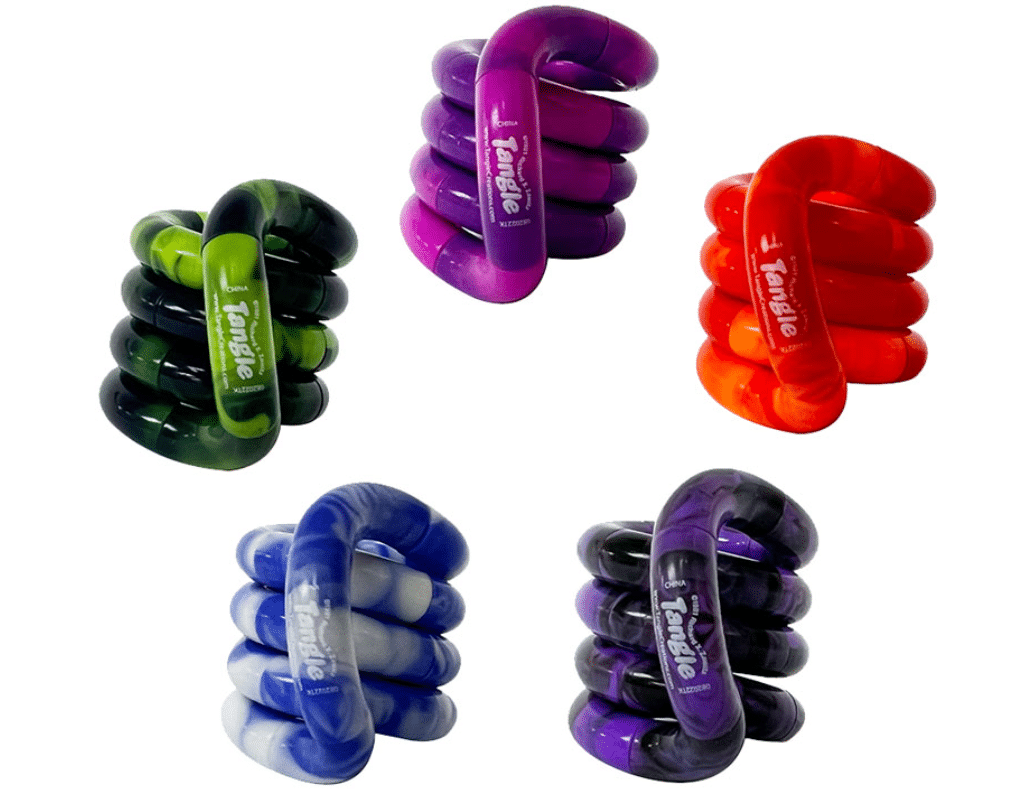
The products on this page have been specially selected for children, young people, and adults with autism who actively seek stimulation. These include:
These aids offer a socially acceptable and safe way to seek stimulation, without distracting or inconveniencing those around you.
When people with autism have access to the right forms of stimulation, they need to expend less energy suppressing their needs. This results in:
Whether it's a child with autism in the classroom, a young person who wants to concentrate better, or an adult with autism who needs stimulation to stay balanced: the right support makes all the difference.
In addition to seeking stimuli, there are many other ways in which children and adults with autism shape their environment, tasks, and daily situations, depending on what they need at that moment. For example, support with: