The beeping robot: sensory gift ideas that actually get used

4 November 2026
Sensory gift ideas for autistic children and adults: quiet fidgets and puzzles for birthdays and holidays, and how to give a present that gets used.

In short

  • A good sensory present is often small and quiet. It fits in a hand, a pocket or a school bag.
  • Look at what the hands already do. Twisting, folding or sorting. Then buy for that.
  • Take the stress out of the unwrapping. Say what is inside, or let them open it later on their own.

It’s Sunday afternoon and the living room is full. Eight candles on the cake, cousins on the sofa, someone’s phone ringing in the hall. Grandad hands over the biggest box of the day. Inside is a robot. It walks, it flashes, and it plays a song at full volume.

Within a minute your daughter is under the table with her hands over her ears. The robot goes back in the box. The box goes in the cupboard.

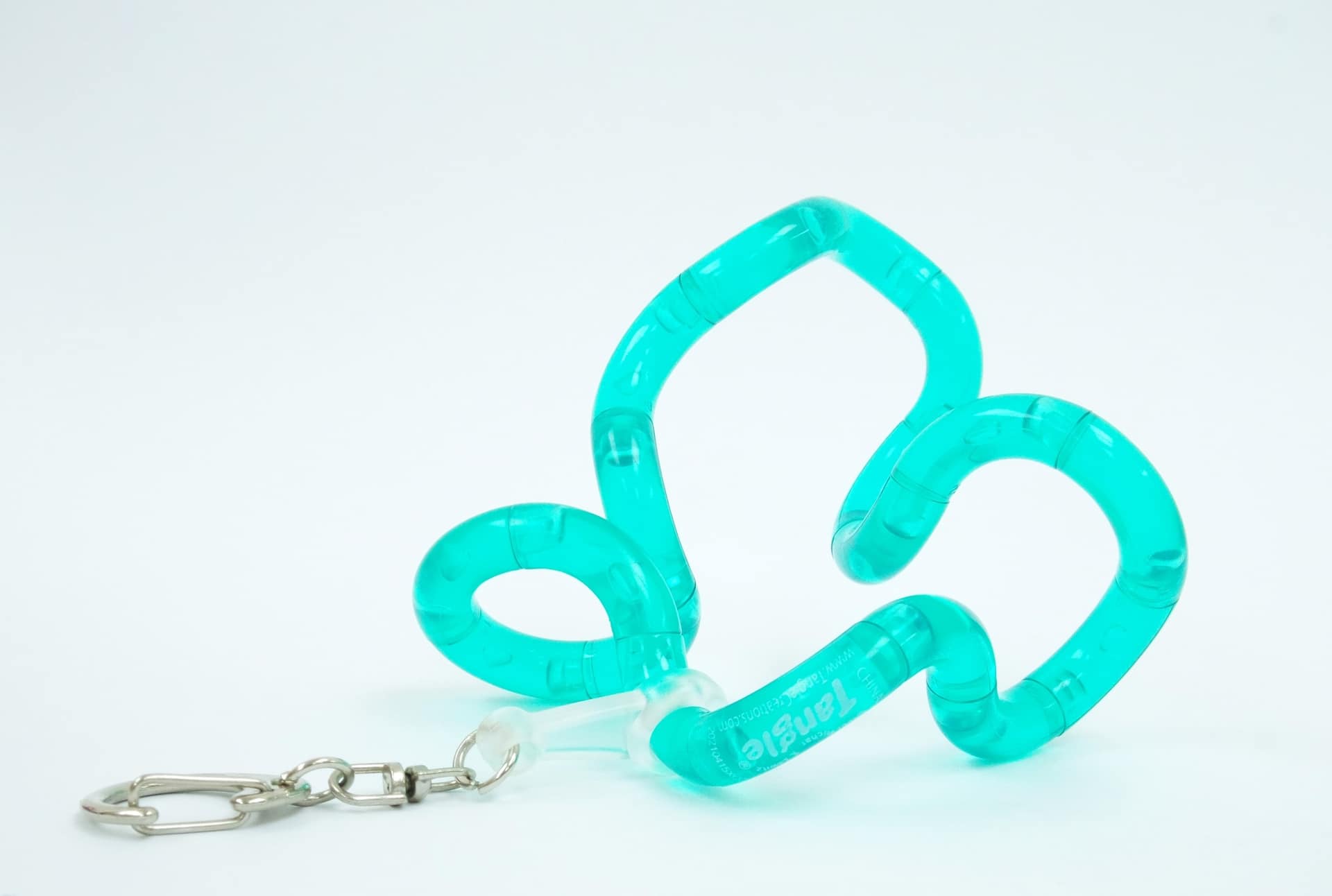
That evening you find her on the sofa, turning a small present from her aunt over and over. A Tangle, a loop of curved plastic pieces. She hasn’t put it down since.

If that sounds like your house, this one is for you. It’s about presents, for birthdays, Christmas or whatever you celebrate. How to choose one that gets used, and how to give it so the day stays a good day.

Bigger presents are not always better presents

Many toys are made to impress in the shop. Lights, sounds, speed. For a child who hears every sound at full volume, that can be too much. The present becomes something to get away from.

Then there is the moment itself. A room full of people watching. Paper tearing. Everyone waiting for a reaction. That is a lot to manage before the toy is even out of the box.

The presents that get used are often the plain ones. Quiet, small, and good at one thing. You can pick them up and put them down whenever you like.

Watch the hands before you shop

Before you buy anything, spend a week noticing. What do their hands do while they wait, listen or think?

Some twist. Their hair, a hoodie string, the cable of their headphones. Some fold, a corner of paper, over and over. Some sort, lining up pencils by colour or turning something until it’s just right.

That is your shopping list. A present that matches what the hands already do gets used from day one. A present that asks for something new may take longer, or never happen.

For hands that twist, a Tangle

A Tangle is a loop of curved pieces that turn against each other. You can twist it in any direction, and it never really ends. Tangles are meant to be taken apart and put back together. If two pieces come loose, they click back in.

The Tangle Gems have a sparkling, iridescent finish. They come in colours named after stones. Blue Topaz, Red Ruby, Purple Amethyst, Black Obsidian, Pink Diamond and a few more. For a child who loves to collect, that matters. One for the birthday, another for Christmas.

Can’t decide? Choose three random ones. They are always three different Tangles.

For a child who likes soft things, the Tangle Fuzzie has a light velour layer. It feels velvety, almost like one whole piece. It is suitable from age three, but like every Tangle it contains small parts.

For hands that fold, shapes without an end

The Clown Magic Puzzle Infinite is a chain of hinged segments that turn in all directions. Fold it into one shape, then another. There is always one more to find. It is small, light and makes no noise. That last part matters in a classroom, or on the long drive to the grandparents. It comes in seven colours, from age six.

The Magic Puzzle 3D with 48 elements works in a similar way. Turn and fold it into a giraffe, a dog, or just a shape you like, then start again. It comes in one colour, green, pink, blue or yellow. That makes it calmer to look at than the multi-coloured version.

The Magic Puzzle Connectable four-pack has four pieces that click together. Rotate them into new designs, and add more packs later. It makes hardly any noise, and it’s for ages five and up.

For heads that want a clear goal

Some children and adults don’t want endless. They want a task with rules and a finish line.

The Magic Rainbow Ball is a puzzle ball full of coloured balls, with one empty space. You move the balls next to the opening, one at a time, and try to get every colour in the right place. In as few moves as possible, if you like a challenge.

The Rubik’s Cube is the classic. This version turns faster and more smoothly, and the colours are tiles, not stickers. Billions of combinations, one solution. It is meant for ages eight and up, and plenty of adults are still working on theirs.

Make the unwrapping easier

A surprise is supposed to be fun. For many autistic children, not knowing is the hard part.

  • Say what is inside, or show a photo. The present still counts.
  • Wrap it simply. A bag, or paper that tears easily.
  • Let them open it later, alone, when the room is quiet.
  • Don’t ask how they like it. Watch the hands instead.

And when relatives ask what to buy, give them a short list with a name and a colour. A grandparent who knows it’s a Red Ruby Tangle is a relaxed grandparent.

At work, and in the classroom

Sensory presents are not just for children. A Black Obsidian Tangle or a Rubik’s Cube on a desk looks like any other desk toy. In a Secret Santa at work, a quiet fidget is a present nobody has to explain. Plenty of autistic adults keep one in a pocket for long meetings or the train home.

Teachers can use the same idea. A small box of silent fidgets on the desk, handed out during listening time, gives restless hands something to do without disturbing anyone.

Buying for yourself this year? Same rule. Watch your own hands for a week, then choose.

Back to the birthday table

A year later. Nine candles. Same living room, same cousins on the sofa.

The boxes are smaller this time. She already knows what is in the soft bag from Grandad, because he told her last week. A Tangle Gem in Purple Amethyst. She twists it once, holds it up to the light, and goes back to her cake.

Nobody ends up under the table. Her hands keep turning the Tangle all afternoon. A present doesn’t have to be big. It just has to get used.

Where to look

Everything below is in our Fidgeting category.
Lees ook eens

Autishop naadloze sokken voor heren 41-46
The morning sock battle: seamless socks for autistic children
Seamless socks for autistic children and adults: why seams can ruin a morning, how to choose between cotton and heel-free socks, and how to get them on.
2016380295.jpg
Lights out, hands still busy: quiet fidgets for bedtime
Quiet bedtime fidgets for autistic children and adults: soft, glowing and calm Tangles and puzzles, and how to make them part of winding down.
Arks Tetra Bite
Pencil in the mouth, string in the hand: chewing and fidgeting
Chewing and fidgeting at the same time: why autistic children and adults often need both, and how chews and Tangles can share the job.
Tangle Classics Sleutelhanger
The waiting room, the queue, the bus stop: a fidget in every pocket
Pocket fidgets for autistic children and adults: why waiting is so hard, which fidget suits which moment, and how to keep one always in reach.
2014900599.jpg
The unicorn in the pencil case: choosing a fidget that fits the age
Fidget toys for autistic children, teens and adults: how to choose a Tangle that fits the age, the hands and the moment, from age three to the office.
Time Timer TWIST verpakking
The ticking clock: tools that help autistic children in the classroom
Classroom tools for autistic children: visual timers, seat cushions, ear defenders and picture cards that help at the desk. Practical tips.
Sensory Feet
The chair on two legs: sensory seeking and children who need more
Sensory seeking in autistic children and adults: what it looks like, which sense is asking, and simple ways to give more input at home and school.
Autisme in Kaart
The flipped board: games that teach without lecturing
Learning games for autistic children and adults: co-operative board games and card games that teach feelings and teamwork without a lecture.
2016380295.jpg
Twenty minutes in the waiting room: fidget puzzles for restless hands
Fidget puzzles for autistic children and adults: folding puzzles, rainbow balls and 3D twist puzzles that keep restless hands busy, and how to choose one.
Autishop naadloze sokken voor heren 41-46
The wrong sock: seamless socks and clothing for sensitive skin
Seamless socks for autistic children and adults with sensitive skin: why seams and labels matter, how to choose the right pair, and calmer mornings.
2014900599.jpg
Five on the table: which Tangle is which, and who it suits
Tangle fidget guide: Gems, Marble, Pets, Therapy Relax or Glow in the dark. Which feel suits which hands, and which moment of the day.
1459116701.jpg
The soggy sleeve: chew jewellery for children who chew everything
Chew jewellery for autistic children and adults: why some people chew everything, how to choose the right hardness, and how to get it used.
Green ear defenders on a kitchen table next to a school backpack
The hand dryer problem: when ear defenders help, and when they don’t
Ear defenders for autistic children and adults: what they do, which level to choose and how to get them worn. Practical advice from Autishop.
2016559935.jpg
The tipping chair: wobble cushions for children who can’t sit still
Wobble cushions for autistic children and adults: why sitting still is hard work, which cushion to choose and how to make it work in the classroom.
Het Grote Kijkboek voorkant
Four hours, twelve minutes: travelling with an autistic child
Travelling with an autistic child: how to prepare the car journey, the airport and the holiday house, with practical tips from Autishop.
Checkpad tanden poetsen
Is it swimming today? Visual schedules and planning the day
Visual schedules for autistic children and adults: why seeing the day helps, how to build one with pictograms, and how to keep it going.
NordicHug Weighted Hoodie
Under the sofa cushions: deep pressure and why weight can calm
Deep pressure for autistic children and adults: why firm pressure and weight can feel calming, how to choose a hoodie or vest, and how to start.
Comfort and sensory support in one piece of clothing
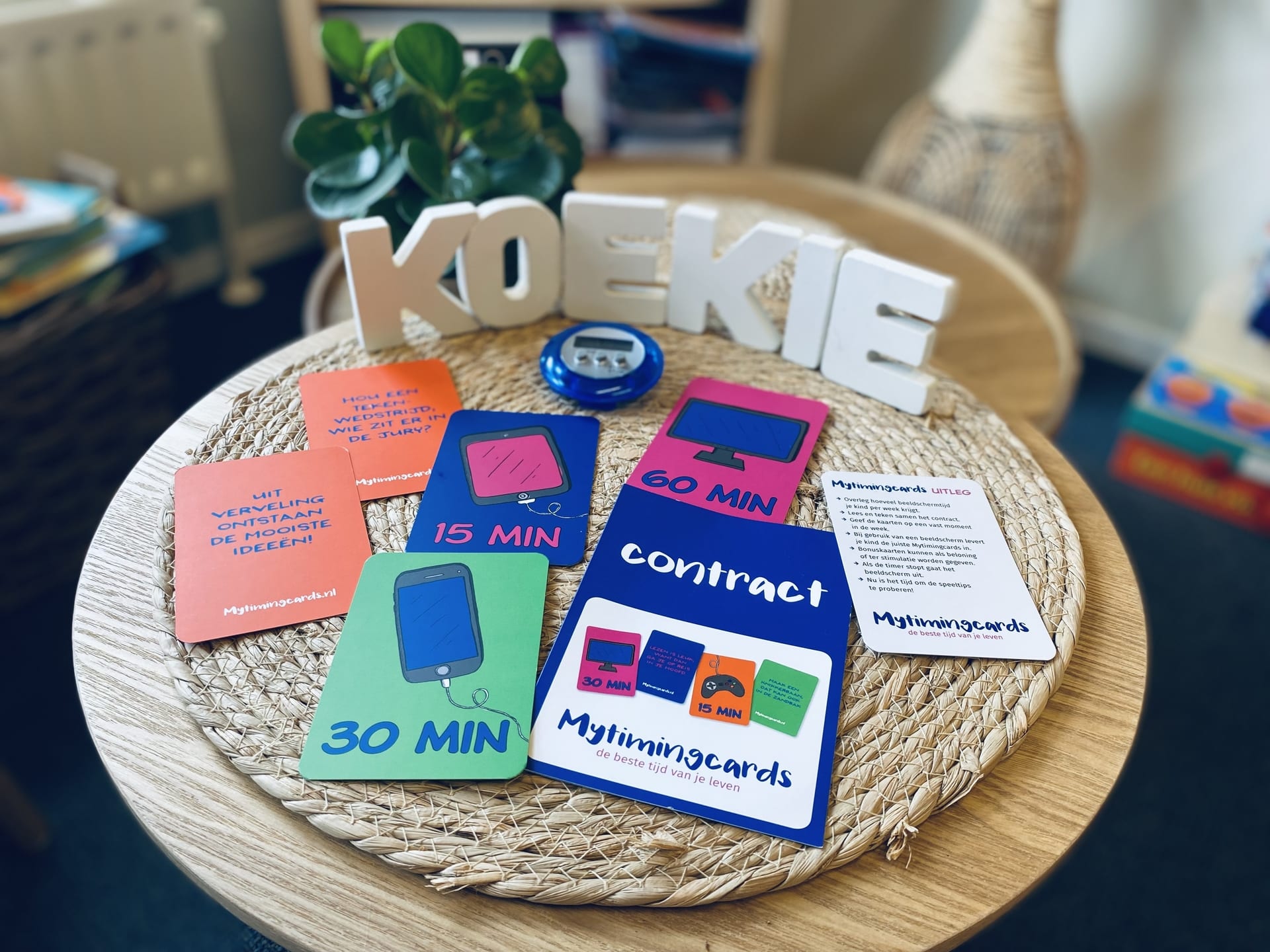
koekie mytimingcards
Mytimingcards – prevent discussions about screen time!
My name is Jonneke Koekhoven and I have been working with children and young people with autism for 17 years. Through my company KOEKIE (www.symptomen-autisme.nl) I offer individual guidance and provide online advice and courses to parents and professionals. I always find new products that can support children with autism very interesting and I like to try them out during my guidance. In this blog I will give my opinion and tips about the ‘Mytimingcards’!
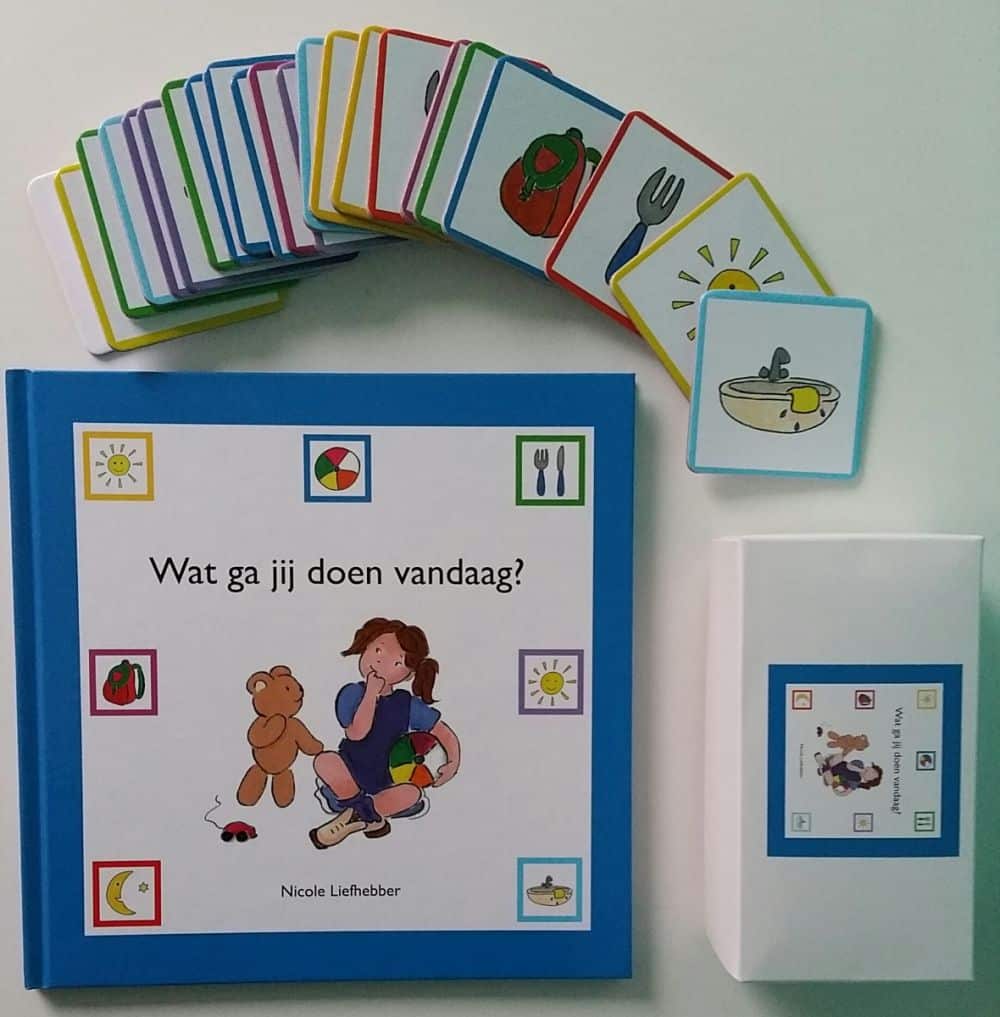
Wat ga jij doen vandaag?
What are you doing today? A book and card game for young children
A guest review by Jonneke Koekhoven of What are you doing today? A rhyming book with daily routine cards and a memory game for children aged two to six.
That's how I see myself! autism
Card games for and about autism: what they are and when to use them
Guest blog by Jonneke Koekhoven: three card games for autistic children, about resilience, emotions and self-image, and when to use them.
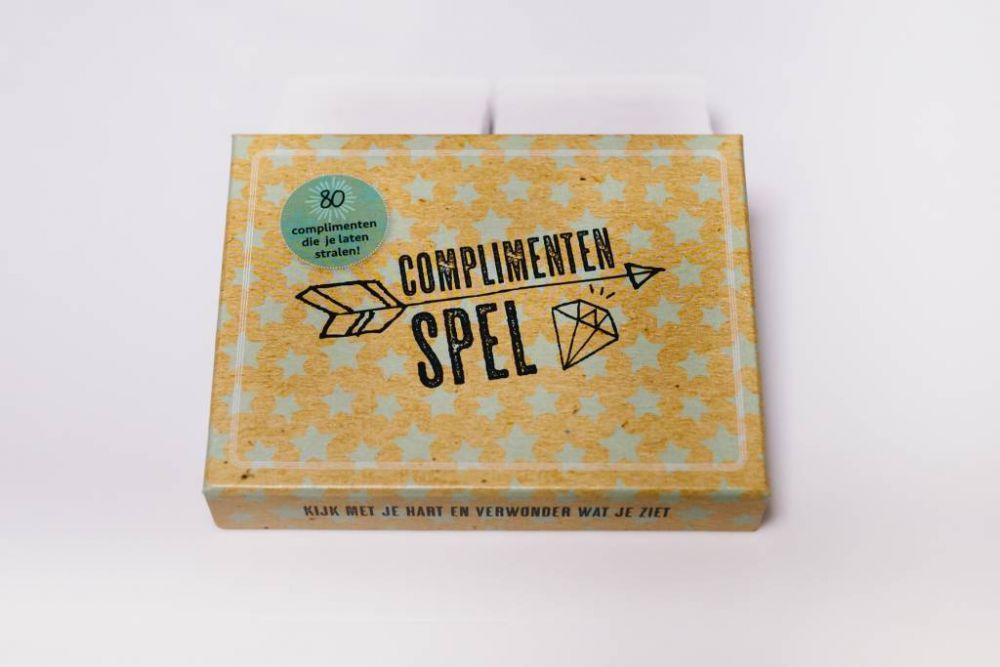
Compliment game
Compliment Game Autism: a cheerful, positive game children grow from
Guest blog by Jonneke Koekhoven of KOEKIE on the Compliment Game Autism: what is in the box, why it suits children with autism, and tips for using it.

Openingstijden feestdagen

Nieuwjaarsdag
Gesloten
Goede Vrijdag
Gesloten
1e paasdag
Gesloten
2e Paasdag
Gesloten
Koningsdag
Gesloten
Bevrijdingsdag
Gesloten
Hemelvaartsdag
Gesloten
1e pinksterdag
Gesloten
2e pinksterdag
Gesloten
1e kerstdag
Gesloten
2e kerstdag
Gesloten