The hairdresser’s chair: getting through a haircut with busy hands

18 November 2026
Haircuts and autism: why the hairdresser’s chair is hard, how to prepare, and how a Tangle in busy hands can help get through the haircut.

In short

  • A haircut asks a lot at once. A stranger’s hands, a buzzing machine, a cape, a mirror, and the instruction to keep still.
  • Hands with something to do often make sitting still easier. A Tangle works quietly under the cape, where nobody sees it.
  • The haircut starts the week before. A picture on the fridge, a practice at home, and a timer that shows how long is left.

It’s Saturday morning at the hairdresser’s. The chair hisses as it rises. A cape goes round your daughter’s neck, and the velcro closes with a rasp. Somewhere behind her, the clippers start to buzz.

She can see it all in the mirror. A stranger with scissors. Her own face, too close. A comb coming towards her head from a side she didn’t expect.

Her hands come out from under the cape and grab at her neck, where the first tiny hairs have landed. “Keep still, love,” says the hairdresser, kindly. That is the one thing she can’t do.

If you have ever left a salon with half a haircut, this one is for you. It’s about the hairdresser’s chair. Why it’s so hard, and how busy hands can help your child get through it.

A haircut asks a lot at once

Think about what happens in that chair. Someone you barely know touches your head. Water from a spray bottle lands cold on your scalp. Clippers buzz right next to your ear. Little hairs itch on your neck and stick to your face. And the mirror shows everything, except what is happening behind you.

On top of all that, you are asked to sit still. Not for a minute, but for fifteen or twenty.

For many autistic children and adults, each of those things is a lot on its own. Together, in one chair, they can be too much. That isn’t being difficult. It’s a lot coming in, with nowhere for it to go.

Hands that have something to do

Watch what the hands do in that chair. They grip the armrests. They tug at the cape. They go up to the neck, the ear, the scissors. Hands that keep moving are often a body looking for a way to cope.

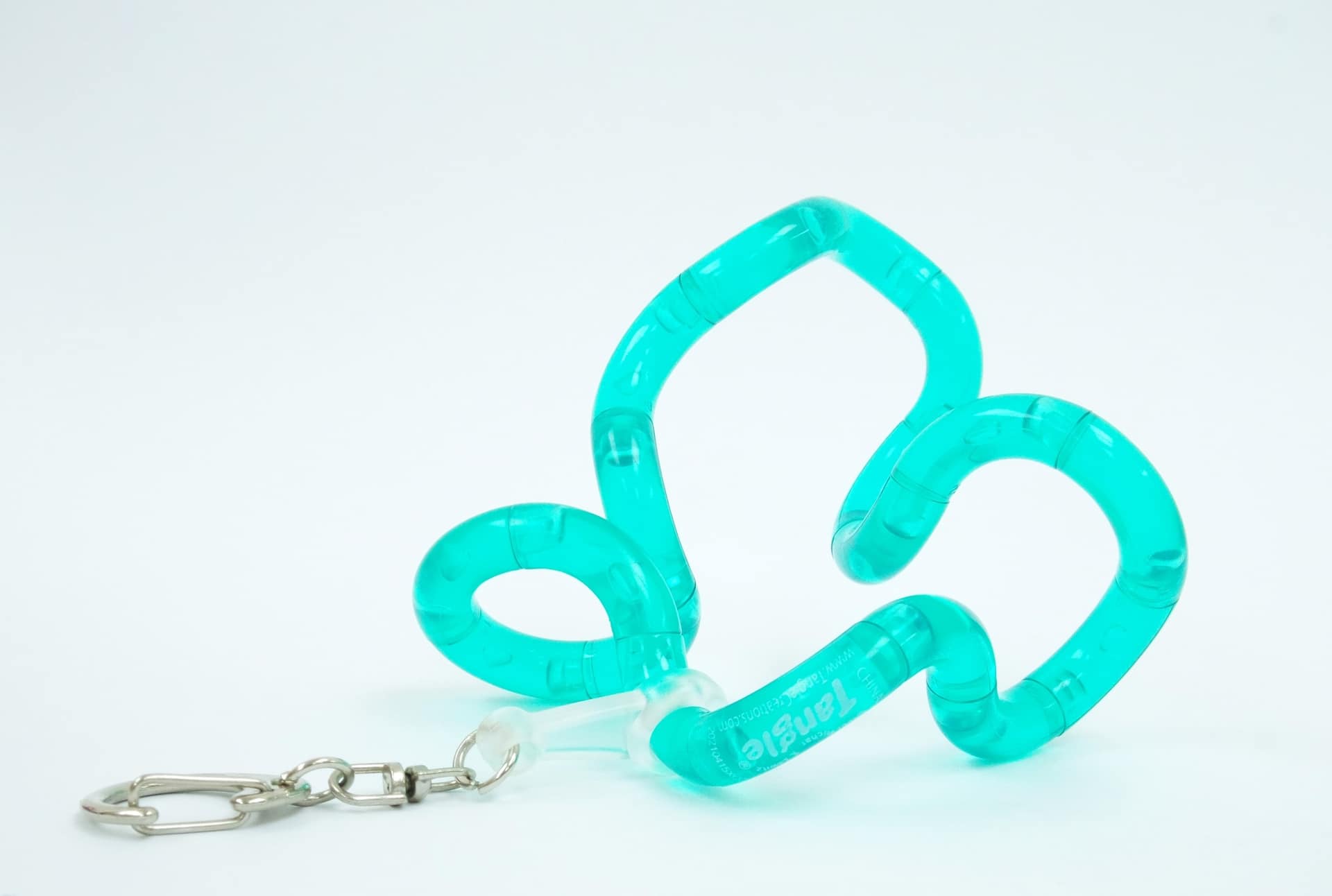
So give the hands a job. A Tangle is a chain of curved pieces that you can twist and turn in every direction, again and again. It’s small and quiet. And here is the useful part. Under a hairdresser’s cape, nobody sees it at all. The head stays where it is. The hands keep working underneath.

If two pieces come apart, they click back together. Handy when it drops onto a floor full of hair.

Tangles contain small parts, so they are not for children under three.

Soft, rough or shiny

Not every Tangle feels the same. Which one works depends on the hands holding it.

Soft. The Tangle Fuzzie is the softest Tangle there is. Its plastic pieces have a light velour layer, so it feels velvety, almost like one whole piece. A child who calms down through touch often likes this one. When the cape feels scratchy and the hairs itch, there is something soft in their hands.

Rough. The Tangle textured junior has flat and rough surfaces to explore with the fingers. Some children want more to feel, not less. A thumb running over the rough parts has something to notice that isn’t the comb.

Shiny. The Tangle Metallic comes in bright, glossy, solid colours. Blue, gold, green, pink and purple. It looks more like a desk toy than a children’s toy, which suits older children and adults.

For hands that like to squeeze, there is the Tangle Therapy Relax. It’s the smaller version of the Tangle Therapy, with a soft rubber layer covered in nubs.

Not sure? Try one at home first, and let your child choose. A Tangle they picked is a Tangle they reach for.

The haircut starts the week before

A surprise haircut is a hard haircut. So make it part of the week.

Put it on the planning. The EasyAuti basic set has fifty magnetic pictograms, and one of them is the hairdresser. Stick it on the fridge on the right day. Point to it at breakfast. No surprises.

Practise at home. A towel round the shoulders for a cape. A plant spray for the water. A comb through the hair on a kitchen chair, with the Tangle in hand. Five minutes is plenty. Stop before it stops being fun.

Show how long it lasts. “Nearly done” means nothing to a child who feels they have been sitting still forever. The Time Timer TWIST makes the time visible. You set it by turning it, anywhere from zero to ninety minutes, and you can see the time counting down to the end. It doesn’t tick. Ask the hairdresser how long it will take, set the timer, and put it on the counter in front of the mirror. It runs on one triple A battery, which isn’t included, so have one ready.

And keep the Tangle in your child’s coat pocket, not at the bottom of your bag. It should come out during the wait, before the cape goes on.

Tell the hairdresser what helps

Book a quiet moment if you can. The first appointment of the day often means less waiting and fewer hair dryers going at once.

Send a short message beforehand. Something like: “My son is autistic. He’ll hold a fidget under the cape. Please tell him before you touch his head, and before the clippers start.” A good hairdresser would rather know.

Ask them to say what comes next. Scissors now. Clippers now, by your ear. Nearly done at the back. Every warning is one surprise less.

Agree on a stop sign. A raised hand, or one word. A short break is better than a haircut that ends in the car park.

Adults sit in that chair too

It doesn’t get easier at eighteen for everyone. Plenty of autistic adults put off a haircut for months. The touching, the noise, the mirror, and then the small talk. Going anywhere nice this year?

A gold or blue Tangle Metallic under the cape is invisible. On your knee in the waiting area, it looks like something from an office desk. Nobody looks twice.

If this is you, it’s fine to say you’d rather not chat. “I’m happy to sit quietly” is a whole sentence.

Back in the chair

Same salon, a few months later. The chair hisses. The velcro rasps. The clippers buzz.

Your daughter sits with her shoulders down. Under the cape, something soft is turning, over and over. On the counter, the red timer shows half the time is gone.

She flinches when the clippers reach her ear. The hairdresser waits. The Tangle keeps turning. Then she nods, and they carry on.

It isn’t a perfect haircut. One bit at the back is a little uneven. But it’s finished, and she walked out on her own. That is good enough.

Where to look

Everything in this article is in our To wait category.
  • The softest one: Tangle Fuzzie, a light velour layer over flexible plastic pieces, suitable from three years.
  • For fingers that want more to feel: Tangle textured junior, flat and rough surfaces, in many colour combinations.
  • For teenagers and adults: Tangle Metallic, glossy solid colours in blue, gold, green, pink or purple.
  • For hands that squeeze: Tangle Therapy Relax, the smaller Tangle Therapy, with a soft rubber layer covered in nubs.
  • To see how long is left: Time Timer TWIST, set from zero to ninety minutes by turning, silent, with a magnetic back.
  • To put the haircut on the planning: EasyAuti basic set of pictograms, fifty magnetic pictograms of four by four centimetres, including the hairdresser.

Lees ook eens

2014900599.jpg
The bench by the pitch: a fidget that fits in at clubs and practice
Fidget toys for autistic children and adults at scouts, swimming club and football practice: Tangles that fit in, travel well and need no explaining.
2014900599.jpg
A day at grandma’s: a small sensory bag for when you’re not there
A small sensory bag for a day at grandma’s: what to pack for an autistic child, how to explain it to grandparents, and how to make the day calmer.
NordicHug Weighted Hoodie
Sum number seven: homework focus at the kitchen table
Homework focus for autistic children: a calmer kitchen table, a visual timer, quiet fidgets and short breaks to get to the final sum.
Checkpad tanden poetsen
The fourth time you ask: small steps to independence
Small steps to independence for autistic children and adults: visual planners, routines you can see, and how to hand over a little at a time.
sokken in de kleuren roze, wit, zwart, blauw en grijs
The waistband that itches: seamless underwear for sensitive skin
Seamless underwear and socks for autistic children and adults with sensitive skin: why seams and labels bother, what to look for and how to start.
Weekpeek
Coat on the floor: talking about feelings when words won’t come
Talking about feelings with an autistic child after a hard day: why words don't come, and how hands, pictures and quiet time can help.
ARK's ring kauwsieraad
The pencil with no end: Brick Stick or Krypto Bite as a first chew
Brick Stick or Krypto Bite? How to choose a first chew necklace for an autistic child or adult, which hardness to pick, and how to get it used.
Autishop naadloze sokken voor heren 41-46
The morning sock battle: seamless socks for autistic children
Seamless socks for autistic children and adults: why seams can ruin a morning, how to choose between cotton and heel-free socks, and how to get them on.
Magic Puzzle Connectable 4-Pack
The beeping robot: sensory gift ideas that actually get used
Sensory gift ideas for autistic children and adults: quiet fidgets and puzzles for birthdays and holidays, and how to give a present that gets used.
2016380295.jpg
Lights out, hands still busy: quiet fidgets for bedtime
Quiet bedtime fidgets for autistic children and adults: soft, glowing and calm Tangles and puzzles, and how to make them part of winding down.
Arks Tetra Bite
Pencil in the mouth, string in the hand: chewing and fidgeting
Chewing and fidgeting at the same time: why autistic children and adults often need both, and how chews and Tangles can share the job.
Tangle Classics Sleutelhanger
The waiting room, the queue, the bus stop: a fidget in every pocket
Pocket fidgets for autistic children and adults: why waiting is so hard, which fidget suits which moment, and how to keep one always in reach.
2014900599.jpg
The unicorn in the pencil case: choosing a fidget that fits the age
Fidget toys for autistic children, teens and adults: how to choose a Tangle that fits the age, the hands and the moment, from age three to the office.
Time Timer TWIST verpakking
The ticking clock: tools that help autistic children in the classroom
Classroom tools for autistic children: visual timers, seat cushions, ear defenders and picture cards that help at the desk. Practical tips.
Sensory Feet
The chair on two legs: sensory seeking and children who need more
Sensory seeking in autistic children and adults: what it looks like, which sense is asking, and simple ways to give more input at home and school.
Autisme in Kaart
The flipped board: games that teach without lecturing
Learning games for autistic children and adults: co-operative board games and card games that teach feelings and teamwork without a lecture.
2016380295.jpg
Twenty minutes in the waiting room: fidget puzzles for restless hands
Fidget puzzles for autistic children and adults: folding puzzles, rainbow balls and 3D twist puzzles that keep restless hands busy, and how to choose one.
Autishop naadloze sokken voor heren 41-46
The wrong sock: seamless socks and clothing for sensitive skin
Seamless socks for autistic children and adults with sensitive skin: why seams and labels matter, how to choose the right pair, and calmer mornings.
2014900599.jpg
Five on the table: which Tangle is which, and who it suits
Tangle fidget guide: Gems, Marble, Pets, Therapy Relax or Glow in the dark. Which feel suits which hands, and which moment of the day.
1459116701.jpg
The soggy sleeve: chew jewellery for children who chew everything
Chew jewellery for autistic children and adults: why some people chew everything, how to choose the right hardness, and how to get it used.
Green ear defenders on a kitchen table next to a school backpack
The hand dryer problem: when ear defenders help, and when they don’t
Ear defenders for autistic children and adults: what they do, which level to choose and how to get them worn. Practical advice from Autishop.
2016559935.jpg
The tipping chair: wobble cushions for children who can’t sit still
Wobble cushions for autistic children and adults: why sitting still is hard work, which cushion to choose and how to make it work in the classroom.
Het Grote Kijkboek voorkant
Four hours, twelve minutes: travelling with an autistic child
Travelling with an autistic child: how to prepare the car journey, the airport and the holiday house, with practical tips from Autishop.
Checkpad tanden poetsen
Is it swimming today? Visual schedules and planning the day
Visual schedules for autistic children and adults: why seeing the day helps, how to build one with pictograms, and how to keep it going.
NordicHug Weighted Hoodie
Under the sofa cushions: deep pressure and why weight can calm
Deep pressure for autistic children and adults: why firm pressure and weight can feel calming, how to choose a hoodie or vest, and how to start.
Comfort and sensory support in one piece of clothing
koekie mytimingcards
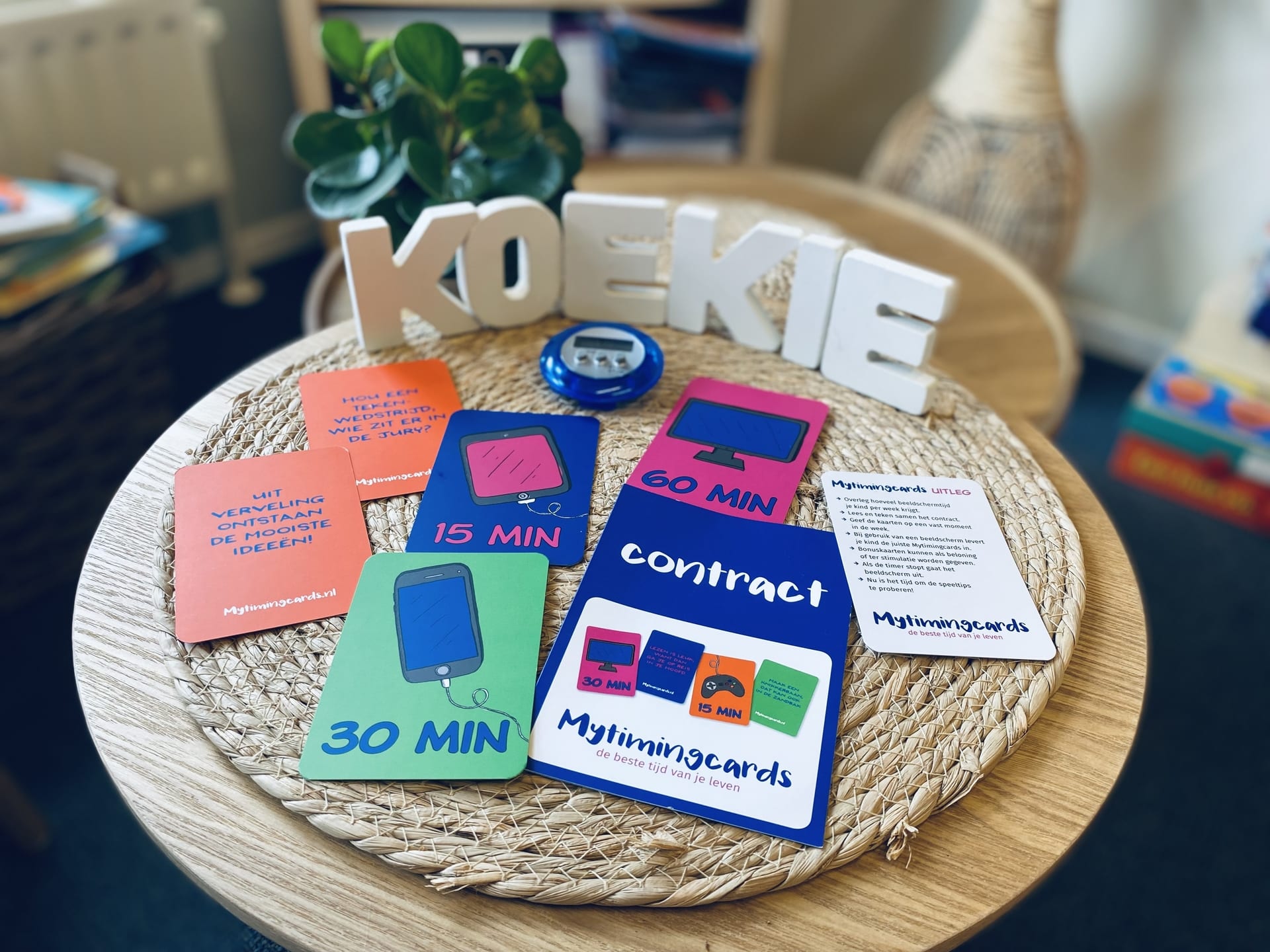
Mytimingcards – prevent discussions about screen time!
My name is Jonneke Koekhoven and I have been working with children and young people with autism for 17 years. Through my company KOEKIE (www.symptomen-autisme.nl) I offer individual guidance and provide online advice and courses to parents and professionals. I always find new products that can support children with autism very interesting and I like to try them out during my guidance. In this blog I will give my opinion and tips about the ‘Mytimingcards’!
Wat ga jij doen vandaag?
What are you doing today? A book and card game for young children
A guest review by Jonneke Koekhoven of What are you doing today? A rhyming book with daily routine cards and a memory game for children aged two to six.
That's how I see myself! autism
Card games for and about autism: what they are and when to use them
Guest blog by Jonneke Koekhoven: three card games for autistic children, about resilience, emotions and self-image, and when to use them.
Compliment game
Compliment Game Autism: a cheerful, positive game children grow from
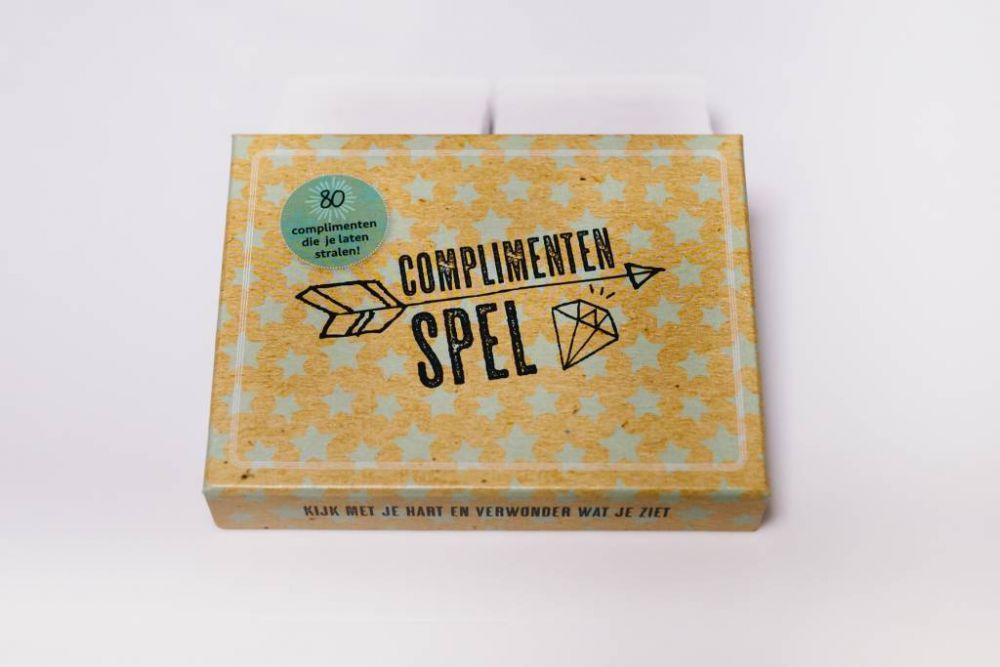
Guest blog by Jonneke Koekhoven of KOEKIE on the Compliment Game Autism: what is in the box, why it suits children with autism, and tips for using it.

Openingstijden feestdagen

Nieuwjaarsdag
Gesloten
Goede Vrijdag
Gesloten
1e paasdag
Gesloten
2e Paasdag
Gesloten
Koningsdag
Gesloten
Bevrijdingsdag
Gesloten
Hemelvaartsdag
Gesloten
1e pinksterdag
Gesloten
2e pinksterdag
Gesloten
1e kerstdag
Gesloten
2e kerstdag
Gesloten