Coat on the floor: talking about feelings when words won’t come

10 November 2026
Talking about feelings with an autistic child after a hard day: why words don’t come, and how hands, pictures and quiet time can help.

In short

  • After a hard day, the words often come later, not at the front door. Asking straight away can make it harder.
  • Give the hands and the senses something first. A Tangle, a cool gel, a quiet half hour.
  • Pictures and stickers can stand in for words until the words are ready. Pointing counts as telling.

It’s twenty to four on a Tuesday. The front door opens and the school bag hits the hall floor. Then the coat, half inside out. Then the shoes, one by the radiator, one by the stairs.

“How was your day?”

“Fine.”

Footsteps on the stairs. A bedroom door closes, not quite a slam.

At tea, the peas touch the potatoes and everything falls apart. Then at a quarter past eight, with the light already off, a small voice says: “Sam laughed at me in PE. Everyone heard.”

The words were there all along. They just took four and a half hours to come out.

If that sounds familiar, this one is for you. It’s about talking about feelings after a hard day, and what you can do when the words won’t come.

The words are often still at school

For many autistic children, a school day is a long stretch of holding it together. The noise, the rules, the changes, the playground. A lot of energy goes into just getting through.

By home time there is very little left. Talking about feelings asks for a lot. You have to notice what you feel and find the word for it. Then you have to put it in a sentence and say it out loud to someone who is looking at you.

So “fine” is not a lie. Often it’s simply all there is room for right now. “How was your day?” at the front door is a big question at the worst possible moment.

The feelings haven’t gone anywhere. They come out later, in the peas, or in the dark at bedtime.

First the hands, then the words

Before any questions, give the body somewhere to land.

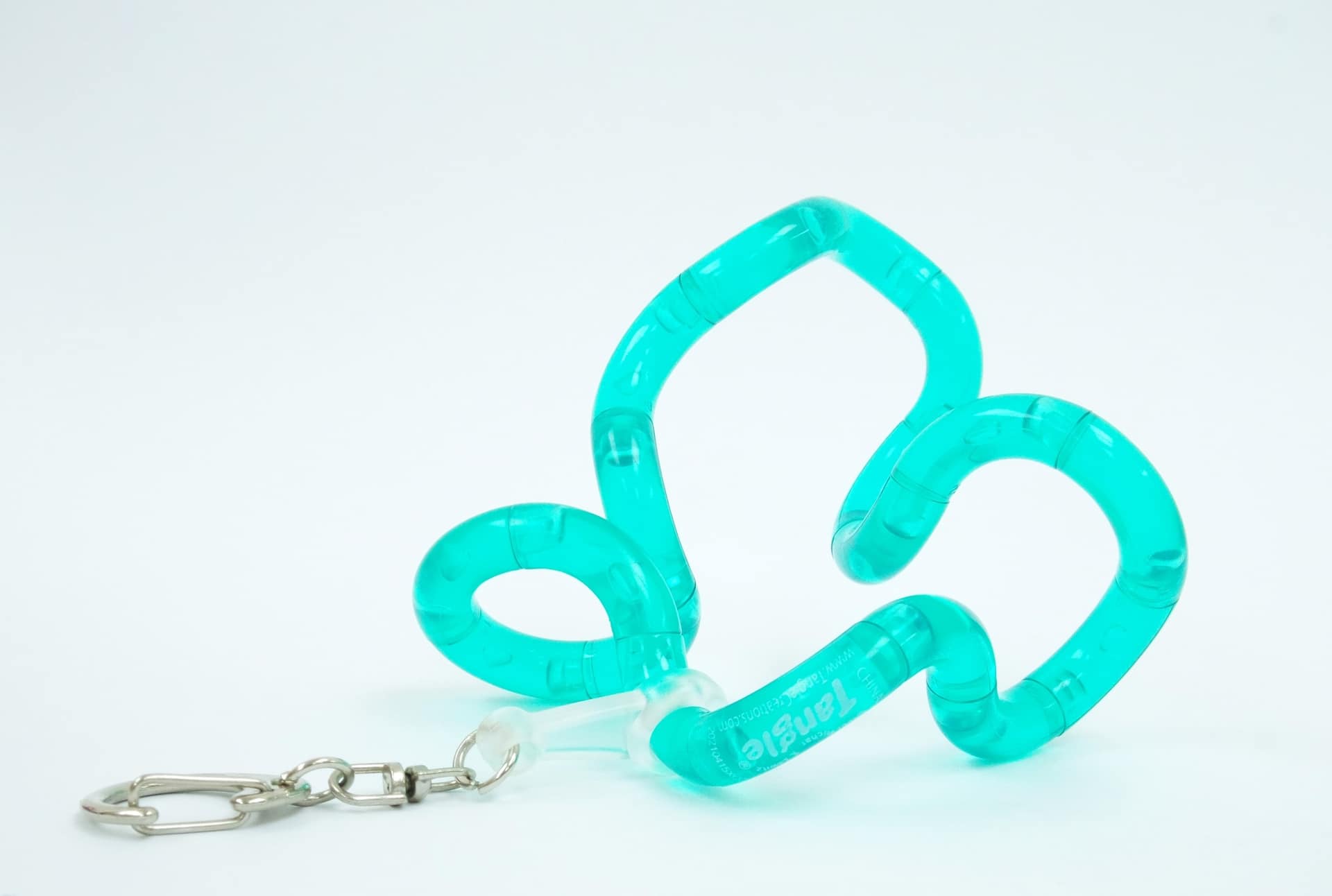
Some children want something in their hands. The Tangle Therapy Relax is a twisting fidget with a soft rubber layer covered in little nubs. It’s the smaller version of the Tangle Therapy, and it’s designed to relax the hand muscles. Leave one on the kitchen table, where it can be picked up without anyone saying a word.

Others respond to touch and coolness. Happy Senso is a gel you can hear, feel and see. It has a cooling effect on the skin. How you put it on changes how strong it feels. A little on the back of the hand, or a blob between the palms. It comes in several scents, such as Mint Fresh and Tropical, and in a Neutral version. Let your child choose. Smell is personal.

And some children simply need time. Agree on a quiet stretch after school with nothing asked. The Time Timer TWIST makes that time visible. Turn it to thirty minutes and stick it on the fridge with its magnetic back. Your child can see the time count down, and it doesn’t tick. When the time is up, you can say hello properly.

Side by side, not face to face

Talking face to face, with eye contact, is hard work for many autistic people. Even more so when the topic is difficult.

Try sitting next to each other instead. In the car. Building something. Drawing at the same table. Walking the dog. Hands busy, eyes on something else. That’s often when the sentence finally comes out.

When it does, listen. Don’t fix it yet. Don’t ask five questions. A simple “That sounds horrible” is often enough to keep the door open.

Let pictures do the talking

Some days the words won’t come at all. Pictures can stand in for them.

The EasyAuti basic set has fifty magnetic pictograms, each four by four centimetres, in a storage tin. School, play alone, play together, party, swimming, sports. Lay a few on the table and ask your child to slide the hardest one towards you. Pointing counts as telling.

Weekpeek is a weekly planner. The board is thirty-six by twenty-five centimetres and comes with more than four hundred and fifty stickers and over one hundred and fifty magnets. It shows what each day of the week looks like. There are also stickers to show whether a day was a nice day or not. At bedtime, choosing today’s sticker can be a small, safe opening. You can carry on chatting from there, or not.

Naming the feeling comes last

Angry, sad and scared are big, blunt words. Many hard days are made of smaller things. Disappointed. Embarrassed. Left out. Relieved it’s over.

You can help by offering words rather than asking for them. “Were you more cross, or more embarrassed?” Two choices are easier than an open question. And if the answer is “I don’t know”, that’s an answer too.

For families who read Dutch, the cards What do you feel? What do you think? go a step further. They help children, teenagers and adults name the in-between feelings, like disappointment, relief, shock or pride. They also show how a feeling is linked to a thought.

For adults, and in the classroom

Adults know the front door moment too. A day of meetings, small talk and keeping up appearances. Then someone at home asks how it went. “Fine.”

The same tools work. A quiet half hour with the timer on the kitchen counter. A Tangle on the desk. The larger Tangle Therapy is quiet and unobtrusive, so it works in the office or a waiting room without anyone looking twice.

If you’re reading this for yourself, tell the people at home what helps. “Give me half an hour, then ask me.” That’s a perfectly good sentence.

Teachers can help too. A quick message home, something like “rough moment at lunch, he handled it”, saves a lot of guessing at the door. And a pictogram to point at during circle time gives a child a way to say “not good” without words.

Back at the front door

Same Tuesday, a few weeks on. The bag still hits the floor. The coat is still inside out.

But nobody asks anything. The timer goes on the fridge. Your son takes the Tangle from the table and lies on the sofa, turning it over and over.

When the time is up, you sit down next to him with a cup of tea. He doesn’t look at you. He picks up the sports pictogram and holds it out. “Sam laughed at me.”

It’s still a hard day. But this time it got said at four o’clock, not at a quarter past eight.

Where to look

Most of these are in our Therapy and counselling category, and the Tangles are also in To play.
  • For restless hands: Tangle Therapy Relax, the smaller Tangle Therapy, with a soft rubber layer and nubs.
  • Bigger and quiet: Tangle Therapy, the largest Tangle, suitable from three years.
  • For touch and coolness: Happy Senso, a gel you can hear, feel and see, with a cooling effect on the skin.
  • For quiet time after school: Time Timer TWIST, set from zero to ninety minutes by turning it, silent, with a magnetic back. It needs one triple A battery, not included.
  • Pictures instead of words: EasyAuti basic set, fifty magnetic pictograms of four by four centimetres in a storage tin.
  • A look back at the week: Weekpeek, a weekly planner with stickers to mark whether a day was a nice day or not.
  • In Dutch: What do you feel? What do you think?, for naming feelings like disappointment, relief and pride.

Lees ook eens

ARK's ring kauwsieraad
The pencil with no end: Brick Stick or Krypto Bite as a first chew
Brick Stick or Krypto Bite? How to choose a first chew necklace for an autistic child or adult, which hardness to pick, and how to get it used.
Autishop naadloze sokken voor heren 41-46
The morning sock battle: seamless socks for autistic children
Seamless socks for autistic children and adults: why seams can ruin a morning, how to choose between cotton and heel-free socks, and how to get them on.
Magic Puzzle Connectable 4-Pack
The beeping robot: sensory gift ideas that actually get used
Sensory gift ideas for autistic children and adults: quiet fidgets and puzzles for birthdays and holidays, and how to give a present that gets used.
2016380295.jpg
Lights out, hands still busy: quiet fidgets for bedtime
Quiet bedtime fidgets for autistic children and adults: soft, glowing and calm Tangles and puzzles, and how to make them part of winding down.
Arks Tetra Bite
Pencil in the mouth, string in the hand: chewing and fidgeting
Chewing and fidgeting at the same time: why autistic children and adults often need both, and how chews and Tangles can share the job.
Tangle Classics Sleutelhanger
The waiting room, the queue, the bus stop: a fidget in every pocket
Pocket fidgets for autistic children and adults: why waiting is so hard, which fidget suits which moment, and how to keep one always in reach.
2014900599.jpg
The unicorn in the pencil case: choosing a fidget that fits the age
Fidget toys for autistic children, teens and adults: how to choose a Tangle that fits the age, the hands and the moment, from age three to the office.
Time Timer TWIST verpakking
The ticking clock: tools that help autistic children in the classroom
Classroom tools for autistic children: visual timers, seat cushions, ear defenders and picture cards that help at the desk. Practical tips.
Sensory Feet
The chair on two legs: sensory seeking and children who need more
Sensory seeking in autistic children and adults: what it looks like, which sense is asking, and simple ways to give more input at home and school.
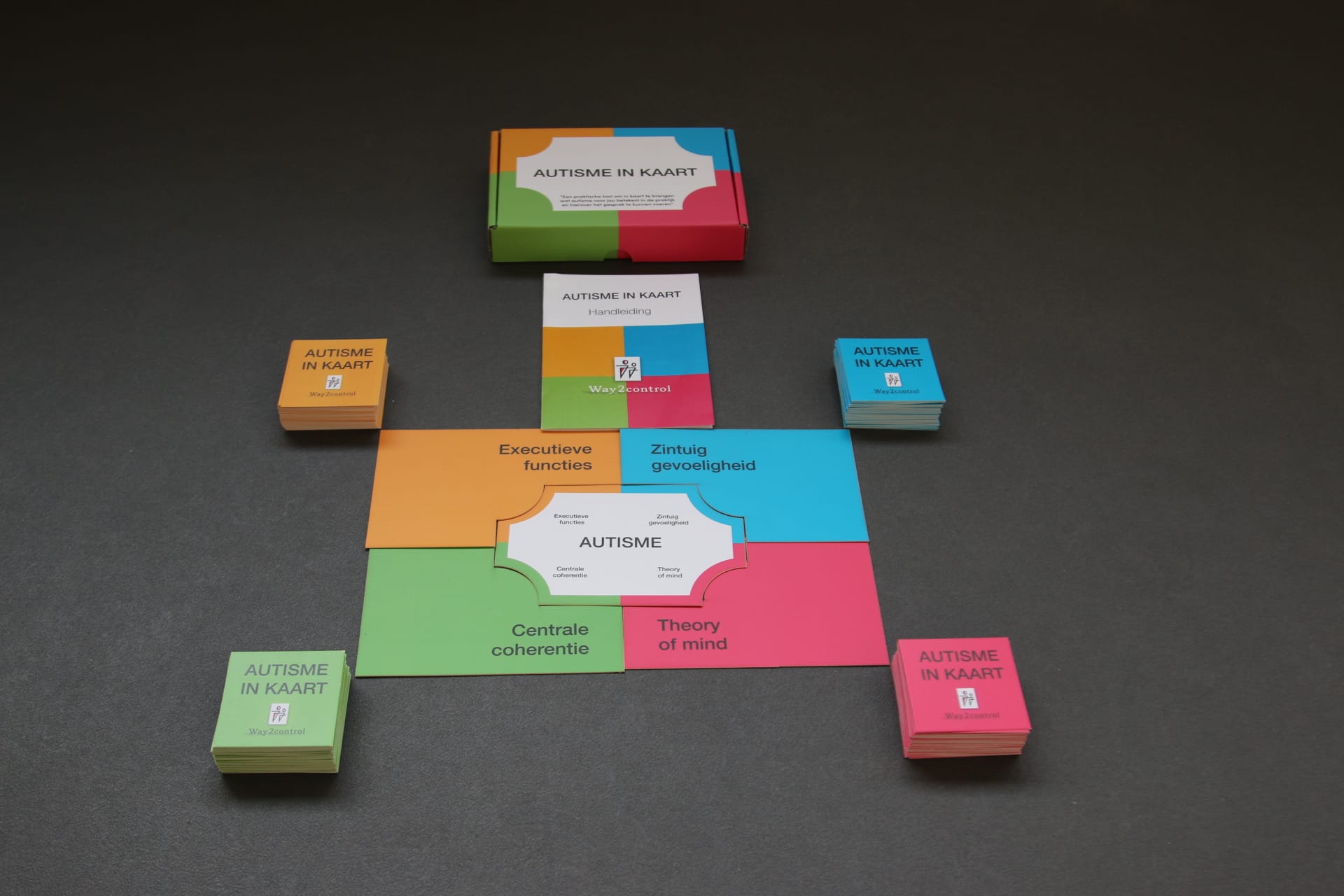
Autisme in Kaart
The flipped board: games that teach without lecturing
Learning games for autistic children and adults: co-operative board games and card games that teach feelings and teamwork without a lecture.
2016380295.jpg
Twenty minutes in the waiting room: fidget puzzles for restless hands
Fidget puzzles for autistic children and adults: folding puzzles, rainbow balls and 3D twist puzzles that keep restless hands busy, and how to choose one.
Autishop naadloze sokken voor heren 41-46
The wrong sock: seamless socks and clothing for sensitive skin
Seamless socks for autistic children and adults with sensitive skin: why seams and labels matter, how to choose the right pair, and calmer mornings.
2014900599.jpg
Five on the table: which Tangle is which, and who it suits
Tangle fidget guide: Gems, Marble, Pets, Therapy Relax or Glow in the dark. Which feel suits which hands, and which moment of the day.
1459116701.jpg
The soggy sleeve: chew jewellery for children who chew everything
Chew jewellery for autistic children and adults: why some people chew everything, how to choose the right hardness, and how to get it used.
Green ear defenders on a kitchen table next to a school backpack
The hand dryer problem: when ear defenders help, and when they don’t
Ear defenders for autistic children and adults: what they do, which level to choose and how to get them worn. Practical advice from Autishop.
2016559935.jpg
The tipping chair: wobble cushions for children who can’t sit still
Wobble cushions for autistic children and adults: why sitting still is hard work, which cushion to choose and how to make it work in the classroom.
Het Grote Kijkboek voorkant
Four hours, twelve minutes: travelling with an autistic child
Travelling with an autistic child: how to prepare the car journey, the airport and the holiday house, with practical tips from Autishop.
Checkpad tanden poetsen
Is it swimming today? Visual schedules and planning the day
Visual schedules for autistic children and adults: why seeing the day helps, how to build one with pictograms, and how to keep it going.
NordicHug Weighted Hoodie
Under the sofa cushions: deep pressure and why weight can calm
Deep pressure for autistic children and adults: why firm pressure and weight can feel calming, how to choose a hoodie or vest, and how to start.
Comfort and sensory support in one piece of clothing
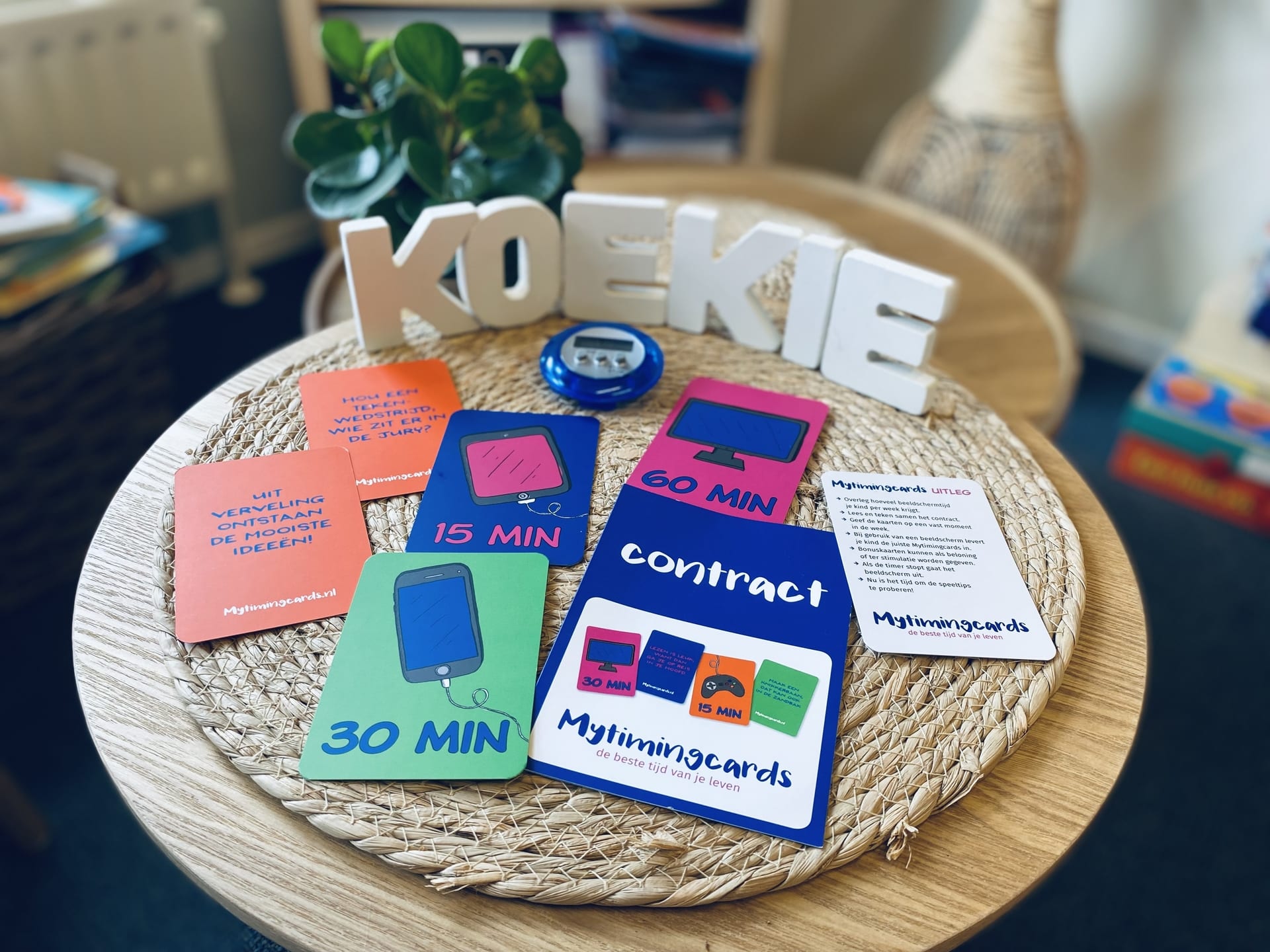
koekie mytimingcards
Mytimingcards – prevent discussions about screen time!
My name is Jonneke Koekhoven and I have been working with children and young people with autism for 17 years. Through my company KOEKIE (www.symptomen-autisme.nl) I offer individual guidance and provide online advice and courses to parents and professionals. I always find new products that can support children with autism very interesting and I like to try them out during my guidance. In this blog I will give my opinion and tips about the ‘Mytimingcards’!
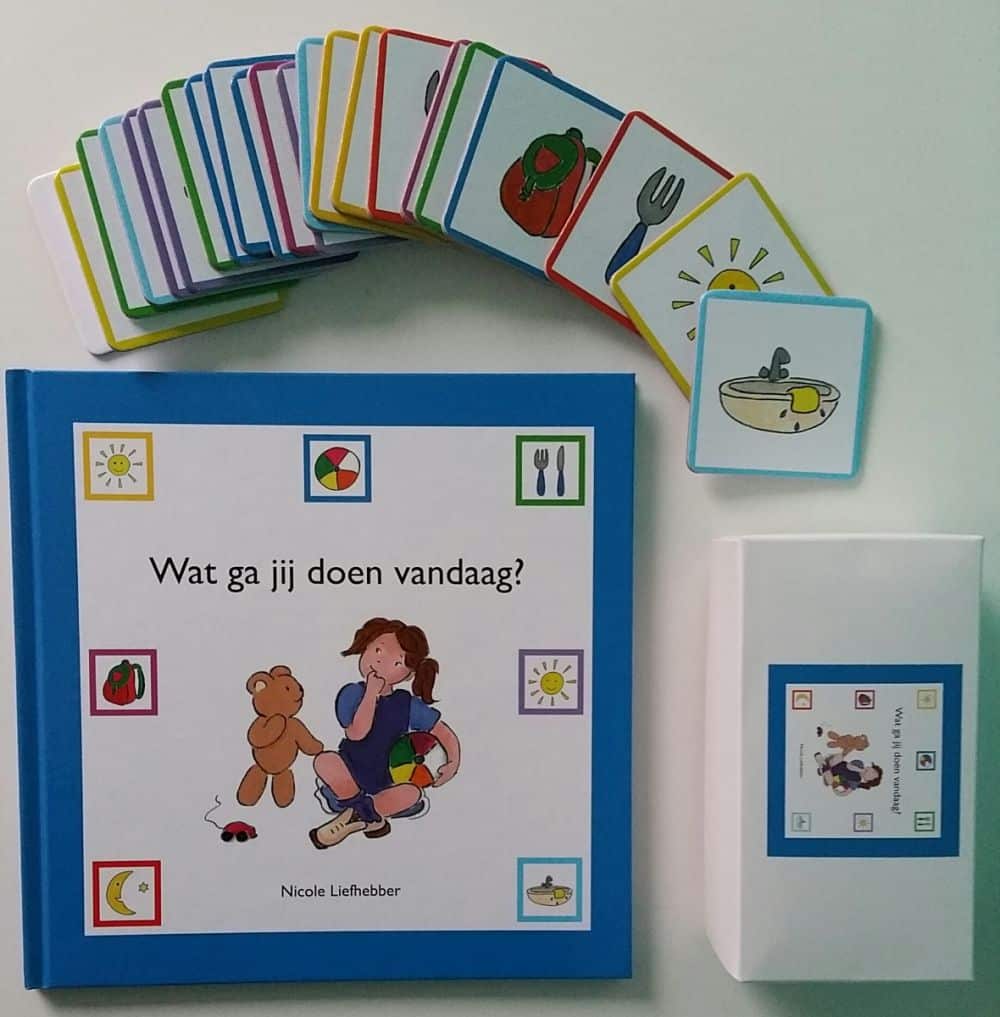
Wat ga jij doen vandaag?
What are you doing today? A book and card game for young children
A guest review by Jonneke Koekhoven of What are you doing today? A rhyming book with daily routine cards and a memory game for children aged two to six.
That's how I see myself! autism
Card games for and about autism: what they are and when to use them
Guest blog by Jonneke Koekhoven: three card games for autistic children, about resilience, emotions and self-image, and when to use them.
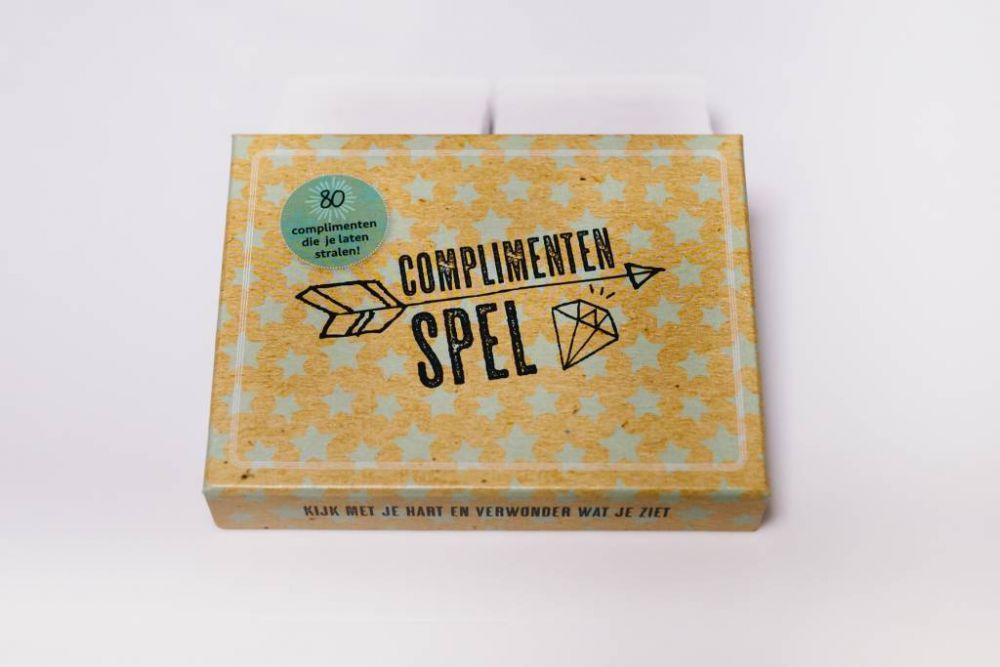
Compliment game
Compliment Game Autism: a cheerful, positive game children grow from
Guest blog by Jonneke Koekhoven of KOEKIE on the Compliment Game Autism: what is in the box, why it suits children with autism, and tips for using it.

Openingstijden feestdagen

Nieuwjaarsdag
Gesloten
Goede Vrijdag
Gesloten
1e paasdag
Gesloten
2e Paasdag
Gesloten
Koningsdag
Gesloten
Bevrijdingsdag
Gesloten
Hemelvaartsdag
Gesloten
1e pinksterdag
Gesloten
2e pinksterdag
Gesloten
1e kerstdag
Gesloten
2e kerstdag
Gesloten