In short
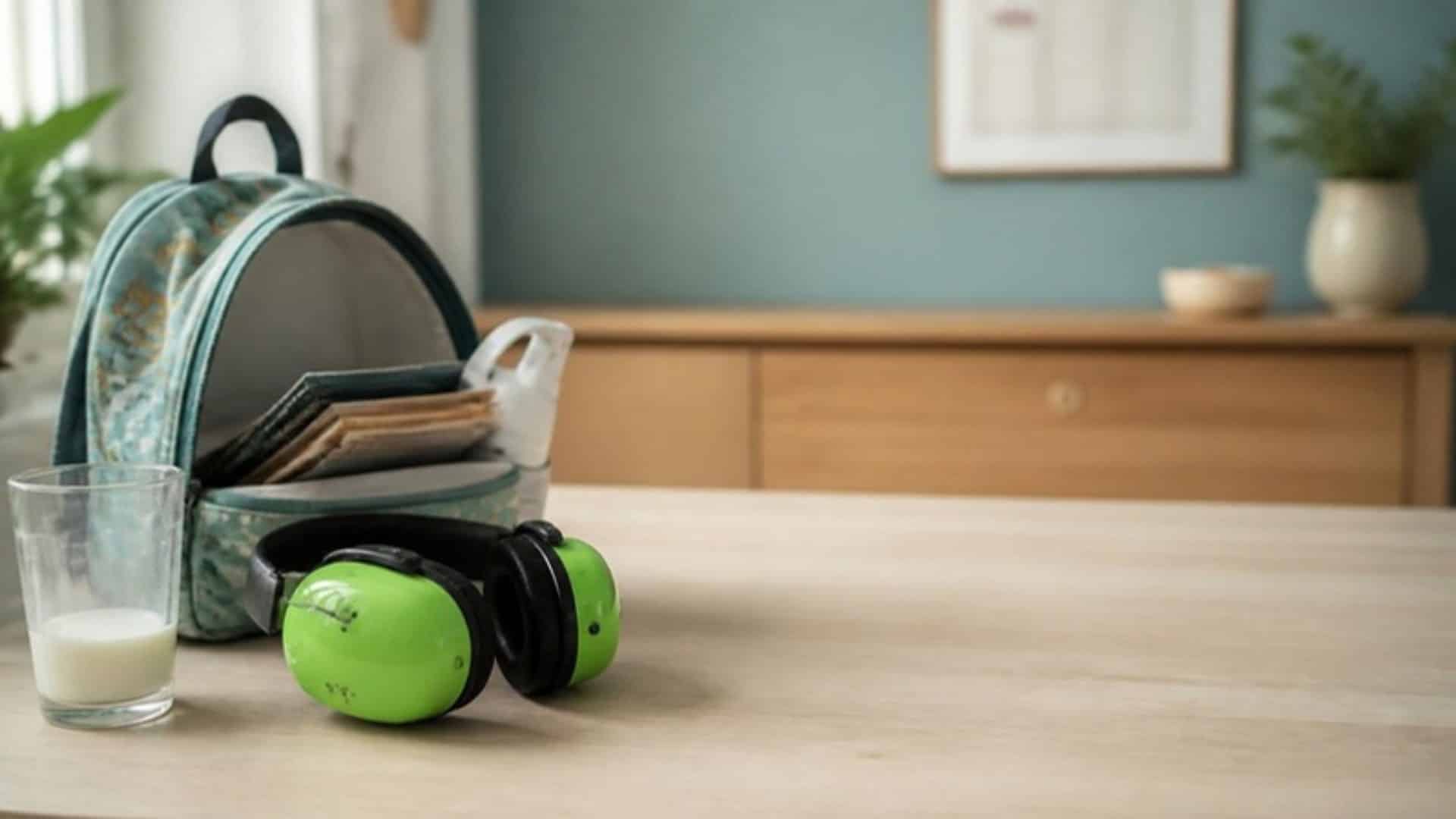
It’s twenty to four. The front door bangs. A school bag lands on the hall floor, then one shoe, then the other, somewhere near the radiator. Your daughter walks past you without a word and sinks into the corner of the sofa.
You have been waiting all day. How was it? Did she eat her lunch? What happened with the girl from yesterday? The questions are right there, lined up and ready.
She pulls her sleeves over her hands and stares at the carpet.
If you know that moment, this one is for you. It’s about the first twenty minutes after school, and why a small puzzle can help more than a question.
A school day is long. Bells, corridors, chatter, instructions, a change to the timetable that nobody mentioned. Many autistic children hold it all together until they are somewhere safe. Home is often that place.
So the child who walks through the door isn’t finished with the day yet. It’s still going round in their head. Some go quiet. Some go loud. Some need their room for a while.
That isn’t rudeness, and it doesn’t mean the day was a disaster. It’s often just what happens when someone has been coping for six hours and can finally stop.
“How was your day?” sounds like the gentlest question in the world. For a tired child, it isn’t. It means remembering, sorting, choosing words and finding the right face to make. All at once, and all right now.
So try waiting. Say hello, put a drink down, and leave the questions for later. Twenty minutes is a good place to start. Some children need ten. Some need an hour.
Often the story comes out by itself. At the dinner table, in the bath, or just before lights out. Not because you asked, but because there was room.
Sitting in silence can feel strange for both of you. That’s where a puzzle comes in. It gives the hands a job, so the head can slowly catch up.
The Clown Magic Puzzle Infinite suits this moment well. It’s a small, light, geometric shape with hinged segments that turn in all directions. You fold it, and it becomes something new. You fold it again, and it changes again. There is no end and no wrong answer.
It makes no noise, so it doesn’t add to the sound of the day. It comes in seven colours: black, pink, orange, yellow, green, blue and white. A child who chose the colour is more likely to pick it up. It’s meant for children from six.
Many children find it easier to settle when their hands have something to do. No conversation needed. No eye contact. Just fold, turn, fold.
Not every child unwinds with something endless. Some want a clear task with a clear end. A problem they can solve, put down and be done with.
For them, the Magic Rainbow Ball is a good fit. It’s a puzzle ball filled with coloured balls. There is always one empty spot, and you can only move a ball that sits next to it. The aim is to get every ball back to its own colour, in as few moves as possible.
That gives the after-school minutes a shape. Pick it up, work it out, finish. Then, if they like, mix it up and start again.
The Magic Puzzle Cube three by three works in a similar way. Six colours, fixed rules and one goal: every side the same colour again. It’s compact, makes little noise and is suitable from five.
Watch your child for a week before you buy. What do the first minutes at home look like?
A child who fiddles with a coat zip or rolls the edge of a cushion may like something to turn and fold. The Infinite, or the Magic Puzzle 3D with forty-eight elements. That one comes in a single colour, green, pink, blue or yellow, which makes it calmer to look at than the multi-coloured version. It can become a giraffe, a dog, an ostrich, or a shape with no name at all.
A child who loves sorting and getting things right may prefer a goal. The Rainbow Ball, the cube, or the Magic Puzzle Twist & Turn. That’s a round sliding puzzle where you move the segments across and up and down to get the colours back in order.
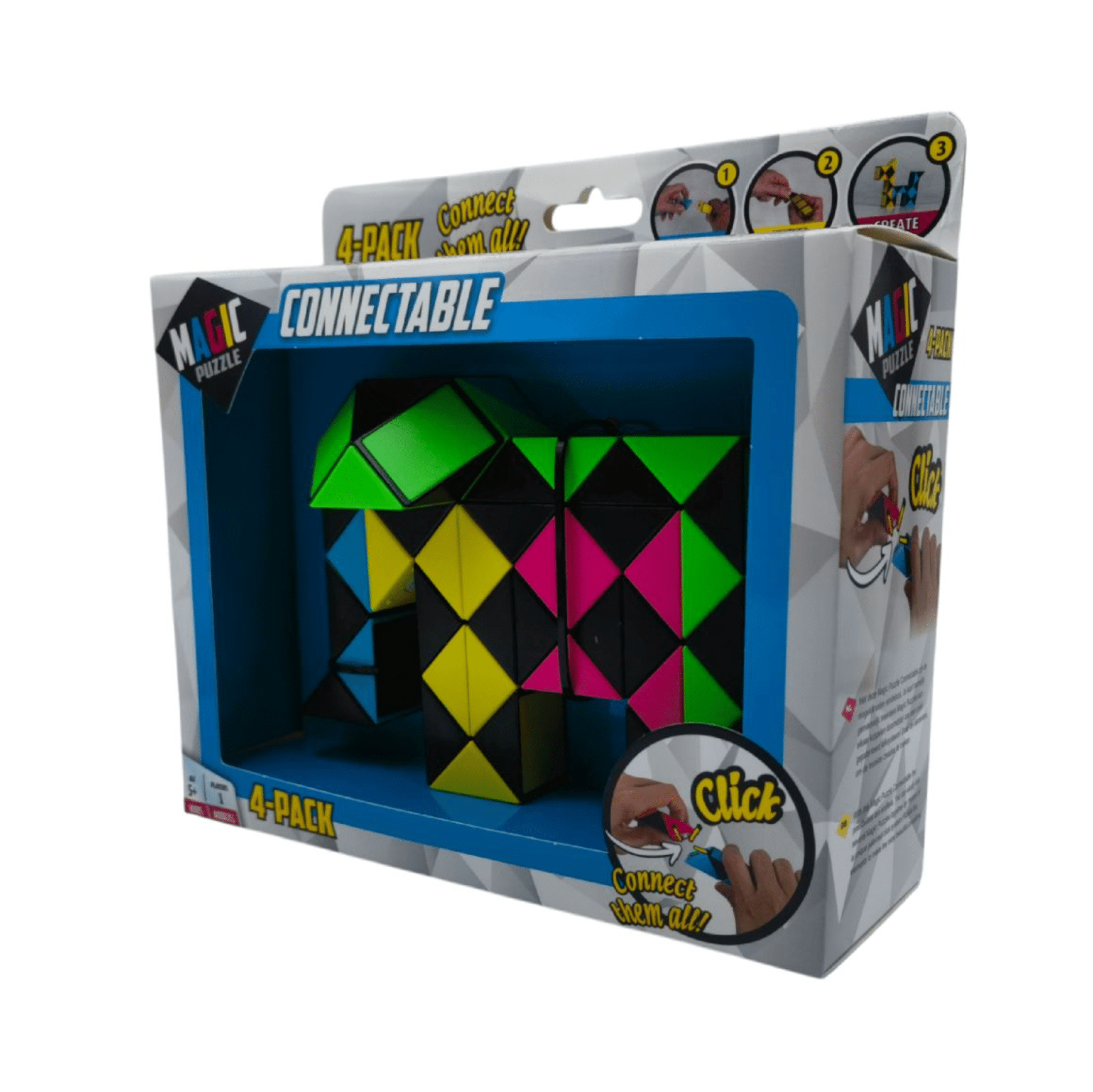
A child who likes to build may enjoy the Magic Puzzle Connectable four-pack. The pieces click together, and you can add more packs later.
Keep the puzzle where the moment happens. In a basket by the sofa, or on the shelf by the front door. If it has to be fetched, it often won’t be.
Teachers know the same moment, just earlier in the day. After break, after PE, after a loud assembly. A puzzle in the quiet corner gives a child a few minutes to land before the next lesson.
The Clown Magic Puzzle Board is handy here. It’s flat, light and makes no noise. You fold it until the printed rectangles are all mixed up, then try to fold it back to the original pattern. It slides easily into a school bag or a coat pocket.
Adults have their own front door moment too. Getting home from work. Sitting in the car for a minute before going in. The first quiet stretch after a long meeting. A puzzle on the desk gives your hands something to do while your head unwinds. The Infinite looks like a small piece of design. Nobody needs to know why it’s there.
Reading this for yourself? Try it for a week. Puzzle first, everything else after.
Same bag on the hall floor. Same shoes by the radiator. Same corner of the sofa.
But this time there’s a blue puzzle in the basket next to her. She picks it up without looking. Fold, turn, fold. You put a glass of milk on the table and go back to the kitchen.
Twenty minutes later she wanders in. “Mum, guess what happened in maths.”
You didn’t ask. She told you anyway.
All our puzzles are in the Games and toys category.